The Empire That Isolated Itself: Why Your Body Is the Last Trade Route
Imagine waking up one morning to find your medicine cabinet nearly empty. It sounds like something out of a sci-fi movie, doesn’t it? Yet, this is closer to reality than you might think. The world is in the grip of a trade war, and the battlefield is not only economic but deeply personal, affecting something as vital as your health.
Right now, the United States is engaged in a high-stakes game of chess with its trading partners, especially China. Tariffs are piling up like never before, blocking the paths that once brought essential medicines to our pharmacies. China, a country half a world away, controls a staggering 41% of the key starting materials used in the production of American generic drugs. These are the very building blocks that form the medicines many of us rely on every day.
But what happens when these supply lines are severed? The story of the trade war isn’t just about numbers and percentages — it’s about people. It’s about you and your access to the medicines that keep you healthy, strong, and alive. Think of it like an ancient empire that once thrived on its connection to the world, now isolating itself, its people left to fend for themselves.
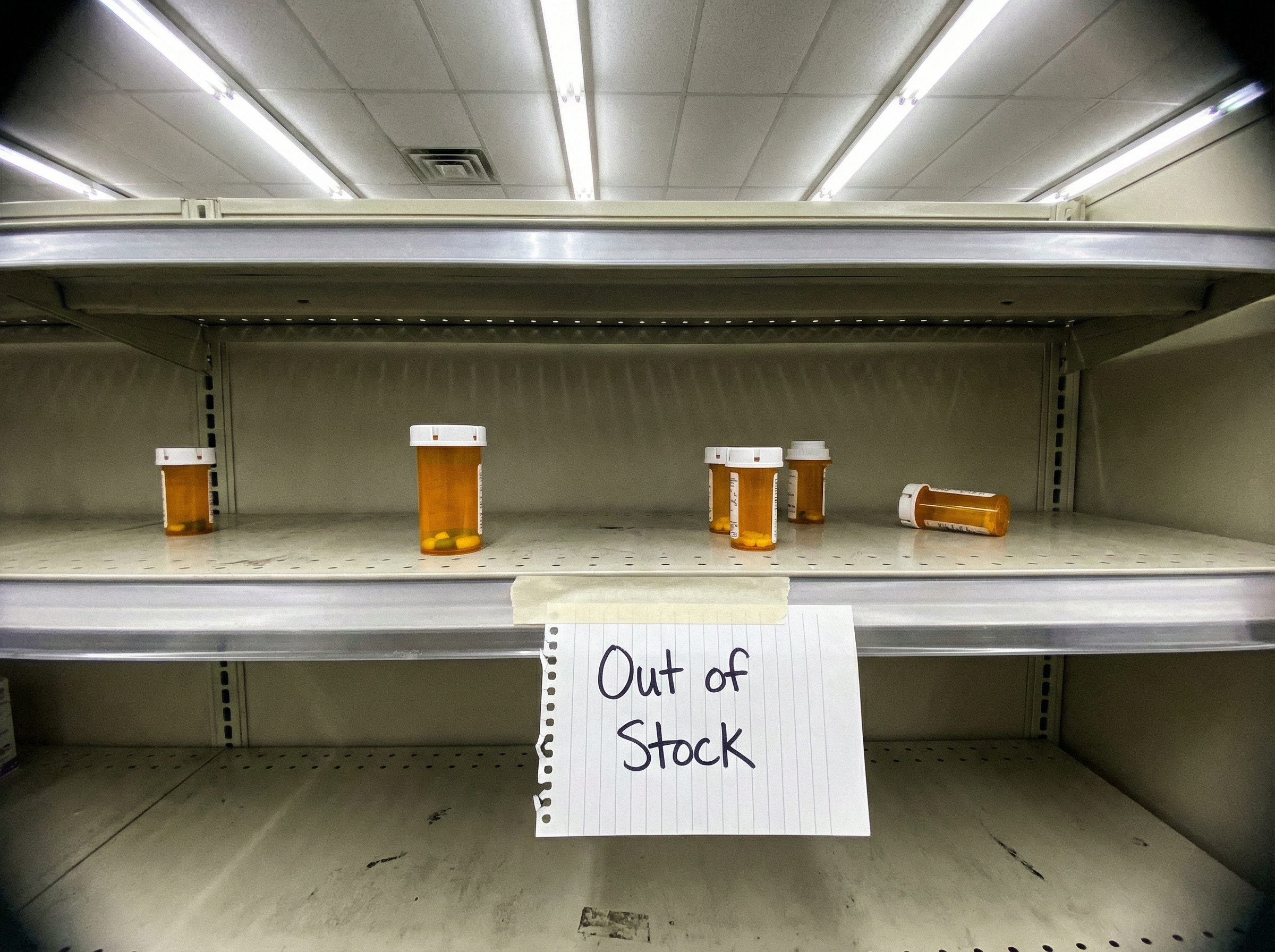
As these global supply chains crumble, the ripple effect can be felt in every home. Imagine the frustration of going to the pharmacy for a refill of your heart medication, only to hear, “Sorry, it’s out of stock.” Or the panic of discovering that your child’s asthma inhaler is suddenly unavailable. These aren’t just “what if” scenarios; they are very real possibilities.
Your body is like a bustling city, depending on a steady stream of supplies to function smoothly. When those supplies are disrupted, everything from your immune system to your ability to manage chronic illnesses is at risk. It’s as if your body is the last trade route in an empire that’s slowly closing its gates.
So, how do we navigate this new world where the lines of supply are tangled and uncertain? The answer lies not only in understanding the crisis but also in exploring holistic health practices that empower you to build resilience from the inside out. Stay tuned as we delve deeper into how you can become the master of your own health empire.
The Body Under Siege: What Stress Actually Does to You
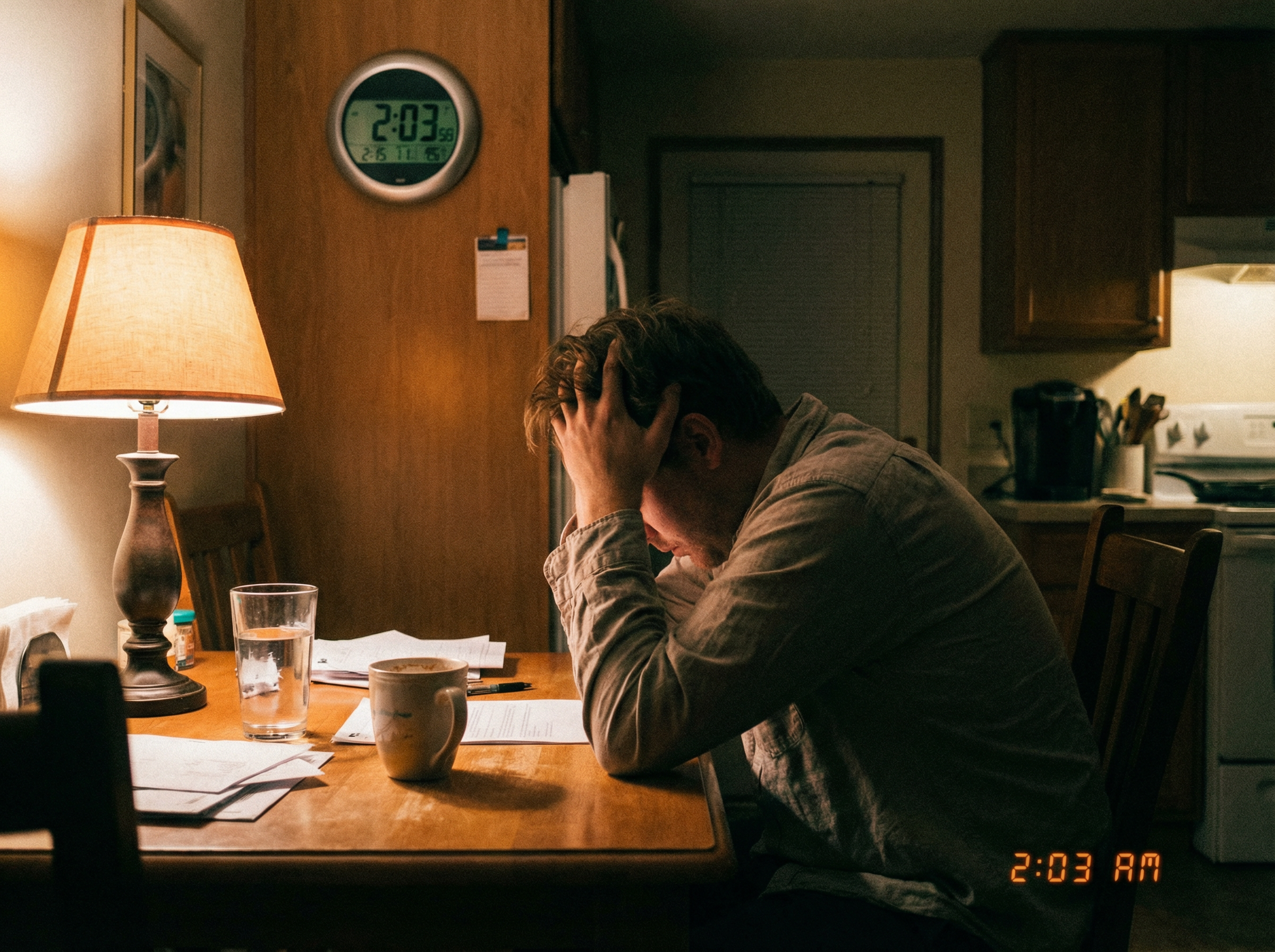
Have you ever felt really anxious or worried about something? That’s your body’s way of saying, “Hey, something’s not right!” Our bodies have a special system to deal with stress called the HPA axis. It’s like a team of superheroes working together to help us stay calm and safe.
The HPA axis stands for Hypothalamus-Pituitary-Adrenal axis. Imagine it as a relay race. First, the hypothalamus — a part of your brain — gets the baton and sends a message to the pituitary gland. The pituitary gland then passes the message to the adrenal glands, which sit on top of your kidneys. Finally, the adrenal glands release a special hormone called cortisol.
Cortisol is like the body’s alarm bell. When you face a scary situation, it rings loudly, giving you energy and focus to deal with the problem. But here’s the thing: if the alarm bell keeps ringing all the time, it starts to cause trouble. It’s like an engine running too hot. If you keep pushing it without a break, it might overheat and stop working properly.
When you’re constantly stressed, your HPA axis can get a bit mixed up. This is called HPA axis dysregulation. The hypothalamus, pituitary, and adrenal glands start to struggle, and cortisol is released all the time, even when you don’t need it.
This constant release of cortisol can lead to inflammation. Imagine your body as a big city. Normally, firefighters (cortisol) only come out when there’s a fire (stress) to put out. But with too much cortisol, these firefighters are running around all the time, even when there’s no fire. This unnecessary activity can damage the city — or in this case, your body.
Inflammation is like a pesky bug in your computer. It slows everything down and makes things go wrong. Over time, chronic stress and inflammation can weaken your immune system. Your immune system is your body’s shield, protecting you from germs and keeping you healthy. But if it’s overworked and tired, it can’t defend you as well as it should.
So, when you feel stressed for long periods, it’s like your body’s engine is running too hot. It’s important to find ways to cool it down — and that’s exactly what the ancient world figured out long before pharmaceutical factories existed.
Lessons from History: The Kingdom of Aksum and the Silk Road
Long, long ago, there was a mighty empire in East Africa. The Kingdom of Aksum. Imagine a bustling marketplace filled with traders from all around the world — gold, ivory, and spices flowing like rivers. This was Aksum, a massive trade empire that rivaled Rome, Persia, and China at its peak.
Then, in the 7th century, Arab forces assumed naval control of the Red Sea. Aksum wasn’t conquered. They were simply bypassed. The trade routes shifted around them. Without the flow of global commerce, their revenue evaporated, their state fragmented, and by the 8th century they had faded into a dark age.
But not all was lost. The people who thrived were those who turned their focus inward. They began to build local resilience and foster self-reliance, much like the sturdy trees that survive the fiercest storms. They learned to use the resources around them.
Across the world, another network was thriving. The ancient Silk Road was a vast web connecting East to West. Along this path, not only silk and spices traveled but also the secrets of herbal medicine. Traders and healers exchanged knowledge about plants and their healing powers. The ancient Chinese Compendium of Materia Medica documented over 1,892 medicines — many of which traveled the Silk Road from Persia, India, and beyond.
These herbal networks were like the roots of a great tree, spreading wide and deep. Each community knew which plants grew best in their lands. They shared this knowledge, ensuring that everyone could access healing, no matter how far from the trade routes they lived.
The lesson? Centralized systems collapse. Local resilience survives.
For a deeper look at how today’s trade war mirrors these ancient patterns, read the full analysis at American Downfall.
Your Herbal Arsenal: TCM Adaptogens That Work
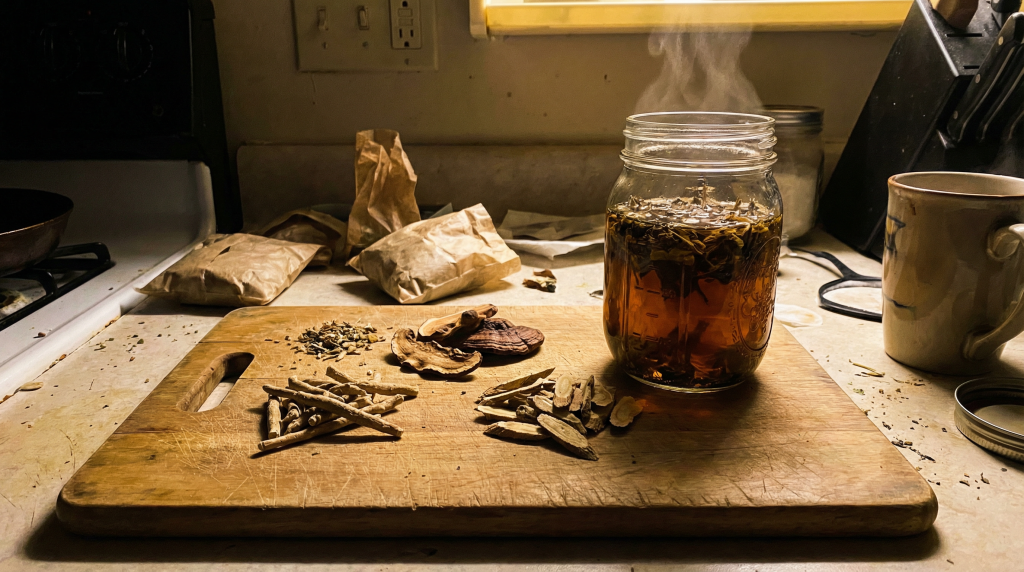
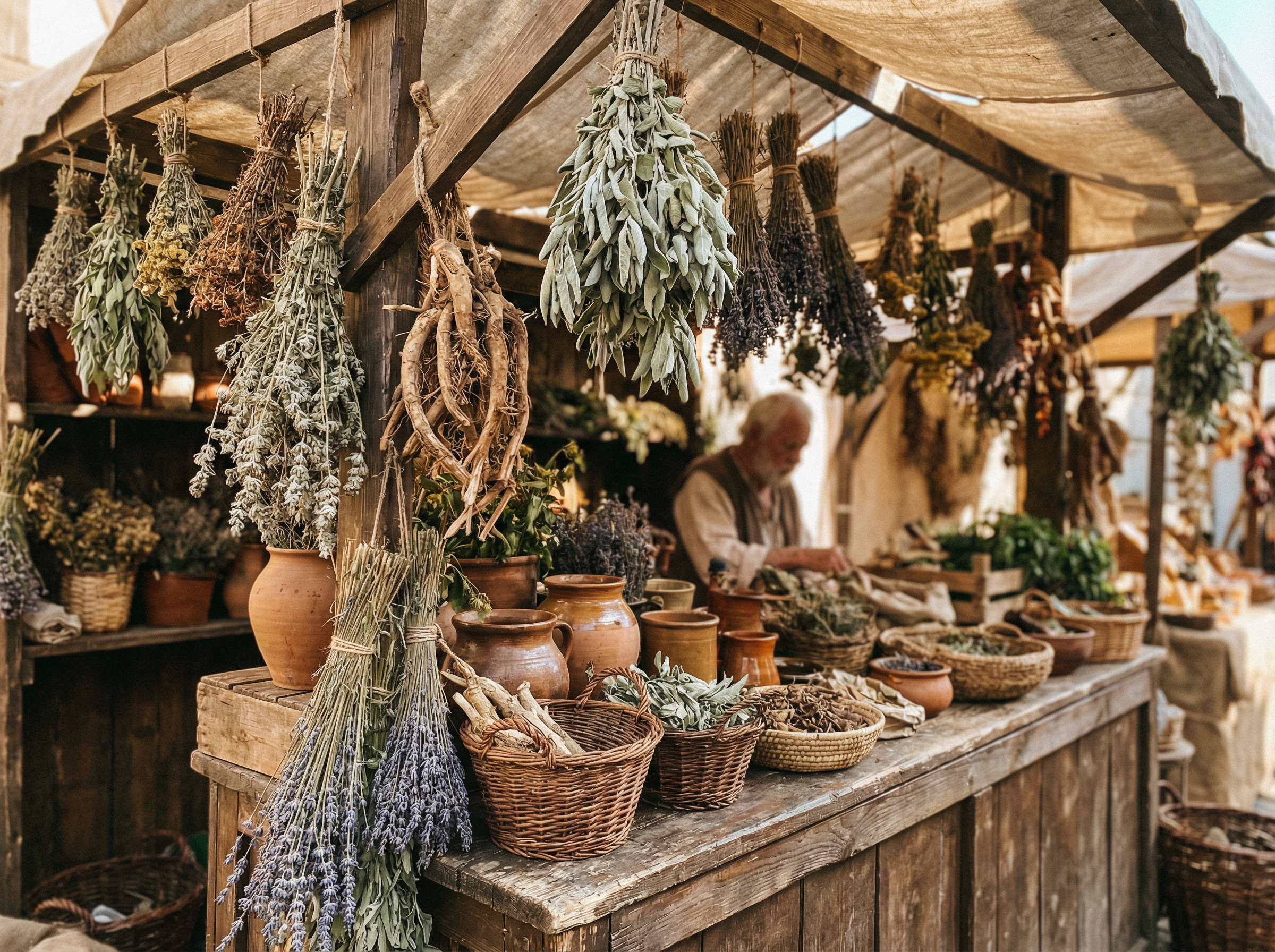
When it comes to finding natural ways to support our health, Traditional Chinese Medicine (TCM) and adaptogens offer time-tested solutions. These herbs and mushrooms have been used for centuries, and now modern science is beginning to understand how they work. Let’s dive into some of these amazing natural remedies.
Ashwagandha (Withania somnifera)
Ashwagandha is a powerful adaptogen. Adaptogens help your body handle stress better, just like a coach helps an athlete train for a big game. Ashwagandha is known for its ability to reduce cortisol levels — which is a big deal because cortisol is the stress hormone that can make you feel anxious and tired.
Taking between 240mg to 600mg of Ashwagandha daily can help manage stress. This herb works by affecting the HPA axis, encouraging it to produce less cortisol. Studies have shown that Ashwagandha can effectively lower cortisol levels by nearly 30% in stressed adults (Chandrasekhar et al., 2012, Indian Journal of Psychological Medicine).
Think of it as a volume knob for your stress alarm. Ashwagandha turns it down, without turning it off completely.
Astragalus (Astragalus membranaceus)
Astragalus is like a shield for your immune system. It’s been used in TCM for over 2,000 years to boost immunity and reduce oxidative stress — the damage that happens to your cells when they’re exposed to things like pollution or chronic stress.
Astragalus contains compounds called saponins, flavonoids, and polysaccharides. These special ingredients work together to enhance the immune system by increasing the production of white blood cells — your body’s soldiers against germs. A 2023 review of 19 studies involving 1,094 participants found that astragalus enhanced immune responses and reduced levels of pro-inflammatory cytokines (National Center for Complementary and Integrative Health).
Standard use: 9–30 grams of dried root in decoction, or standardized extract as directed by a qualified herbalist.
Reishi Mushroom (Ganoderma lucidum)
Known as the “mushroom of immortality,” Reishi is an adaptogen that helps your body adapt to stress. Taking about 2,000mg daily can make a significant difference in how you handle life’s ups and downs.
Reishi contains bioactive compounds such as triterpenoids, polysaccharides, and peptidoglycans. Triterpenoids help calm the nervous system, making you feel less anxious and more at peace. Polysaccharides boost your immune system, while peptidoglycans help regulate blood pressure and sugar levels. Together, they help your body maintain balance.
Incorporating these herbs and mushrooms into your daily routine can be a powerful way to support your health naturally. But always consult with a qualified healthcare professional before starting any new herbal protocol or changing your medication.
“The stress-protective activity of adaptogens is associated with regulation of homeostasis via several mechanisms of action, which was associated with the hypothalamic-pituitary-adrenal axis and the regulation of key mediators of stress response.” — Panossian & Wikman, Pharmaceuticals, 2010
Building Your Internal Pharmacy: A 30-Day Protocol
Building your very own “internal pharmacy” is like planting a garden of health within yourself. It all starts with simple, actionable steps that you can take today.
Week 1: Hydration and Foundation. Drink at least eight glasses of water daily. Add a slice of lemon for a refreshing detox. Hydration is the moat around your castle — it keeps everything flowing smoothly. Begin researching local sources for ashwagandha, astragalus, and reishi mushroom. Look for organic, high-quality sources at local health food stores or trusted online retailers.
Week 2: Introduce Ashwagandha. Start with 240mg daily. Add it to your morning smoothie or take it in capsule form. Notice your stress levels. Consistency is key. Herbs take time — they’re gentle, but powerful.
Week 3: Add Astragalus. Incorporate astragalus tea or a standardized extract into your daily routine. Feel your immune system strengthening. Add more fruits and vegetables to your diet — aim for five different colors daily.
Week 4: Introduce Reishi. Take 2,000mg daily. Embrace the calming effects. Engage in a gentle detox — choose one day for a light, plant-based diet. Focus on whole foods like leafy greens, nuts, and seeds.
Keep a journal. Track your progress. Your body, your kingdom.
For more on building systems of self-reliance that extend beyond your medicine cabinet, visit the Self Reliance Report. And for actionable preparedness steps you can take before the next supply chain shock, visit The Ready Report.
Your Body: The Fortress Against Uncertainty
In a world where supply chains fracture and empires crumble, your body remains the one trade route no one can tariff. Your internal sovereignty is your greatest asset.
While global supply chains fracture and pharmaceutical imports become uncertain, your internal sovereignty — built through herbs, nutrition, and detoxification — is the one network you control completely.
Remember the lesson from Aksum. From the Silk Road. Sovereignty is about self-reliance. It’s about using what you have. Building your own resilience. The people who survived every empire’s trade collapse were not the ones who waited for the empire to fix itself. They were the ones who built local resilience before the supply chains fractured.
So, as the world changes, you have a choice. To wait for the systems to stabilize. Or to take control. To build your health fortress. One step, one herb at a time.
The choice is yours. Take it.
Always consult with a qualified healthcare professional before starting any new herbal protocol or changing your medication.