They just… walked away.
One of the most powerful empires in human history didn’t fall in battle.
It didn’t get conquered. It didn’t burn.
It simply stopped trying.
The Viking Age — a civilization that stretched from North America to Baghdad — just… abdicated. They pulled back. They assimilated. The Greenland colonies withered. The trade routes were handed to someone else.
The empire became a memory.
Sound familiar?
In 2026, we’re watching the same pattern. America is voluntarily stepping back from the world stage. And whether you think that’s right or wrong — your body is registering it as a threat.
The news cycle never turns off. The uncertainty never resolves. And that low-grade, chronic stress? It’s waging a silent war on your health every single night.
Here’s the number that should stop you cold:
70 million Americans are now struggling with chronic sleep disorders. [1]
Not occasional bad nights. Chronic.
And if you’re a woman over 40, the numbers are even worse.
We are a nation running on empty.
And this isn’t just about feeling tired.
This is a biological collapse — one that’s happening in the dark, while you’re lying in bed staring at the ceiling.
Why You Can’t Sleep (And It’s Not What You Think)
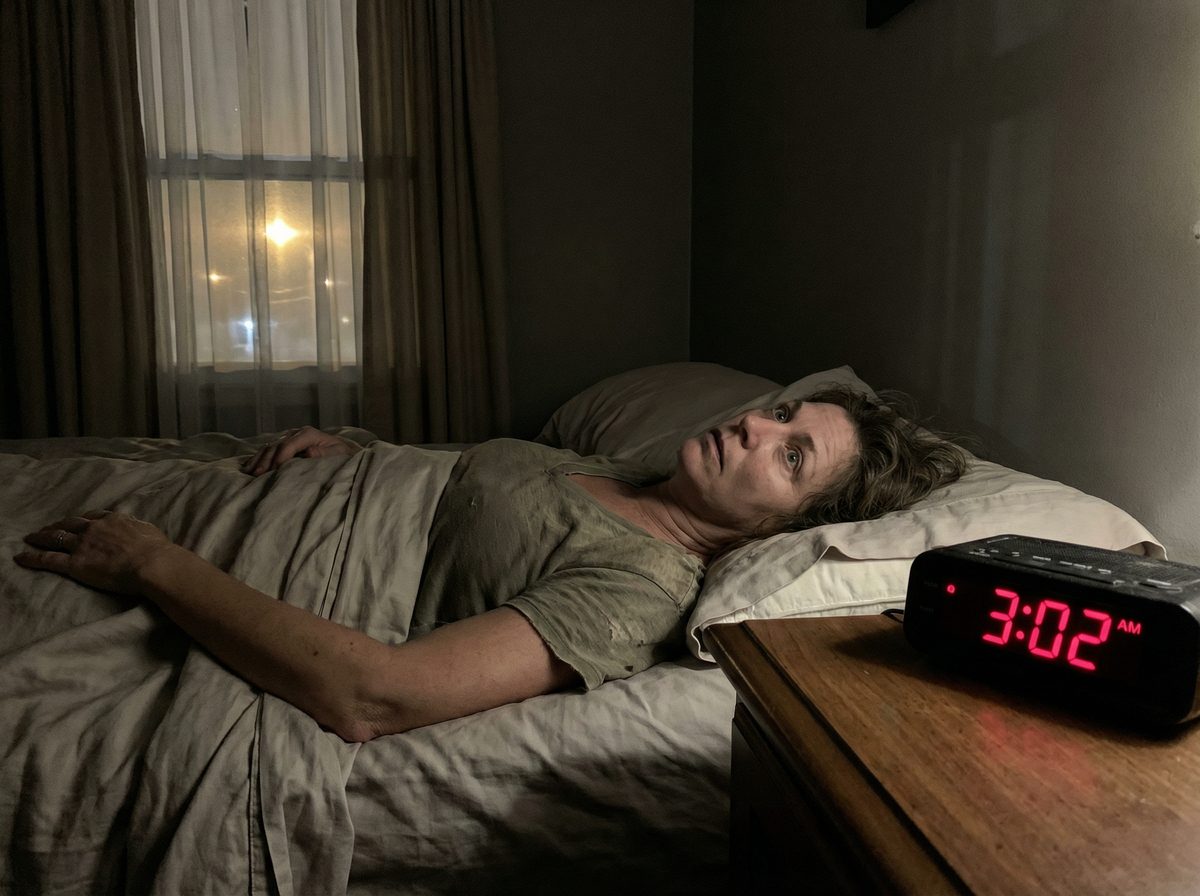
Here’s what’s actually happening inside your body.
When you perceive a threat — whether it’s a physical danger or the 11pm news — your brain triggers the HPA axis: the Hypothalamic-Pituitary-Adrenal system.
Think of it as your body’s crisis management team.
Your hypothalamus signals your pituitary. Your pituitary signals your adrenals. Your adrenals flood your bloodstream with cortisol.
Cortisol isn’t the enemy. In short bursts, it’s a lifesaver. It sharpens focus. It floods you with energy. It prepares you to fight or run.
But here’s the problem.
Your body was never designed for a 24/7 threat.
The news cycle never ends. The anxiety never resolves. So the HPA axis stays on a constant, simmering boil — and cortisol stays elevated.
That’s when the damage starts.
Cortisol and melatonin have an inverse relationship. As cortisol rises, melatonin — the hormone that tells your body it’s time to sleep — gets suppressed.
Your body is stuck in high alert. It literally cannot receive the signal to power down.
And then the feedback loop kicks in:
- Chronic stress keeps cortisol elevated day and night
- High cortisol suppresses melatonin — you can’t fall asleep, can’t stay asleep
- Sleep deprivation is itself a stressor — which drives cortisol even higher
Round and round it goes.
“Chronic stress doesn’t just feel bad. It drives up inflammation markers, suppresses your immune system, impairs cognition, and throws your metabolism into disarray.” [2]
You lose the ability to think clearly.
To regulate your emotions.
To fight off illness.
You lose your sovereignty.
What Women 1,000 Years Ago Knew About Sleep That We’ve Forgotten

Faced with this crisis, where do we look?
The past.
Specifically — a people who survived some of the harshest conditions on Earth and built one of history’s most resilient civilizations.
The Norse.
The Vikings weren’t just warriors. They were farmers, healers, and survivors. And they understood something we’ve completely lost:
Rest is not a weakness. It’s a weapon.
In the long, dark Scandinavian winters, Norse healers — women known as völur — were the keepers of sleep medicine. They understood the plants of the northern lands. They knew how to calm a restless mind and invite deep, restorative sleep.
Their medicine wasn’t about suppressing symptoms.
It was about restoring balance.
Here’s what they used:
| Norse Name | Modern Name | What It Does |
|---|---|---|
| Baldrian | Valerian Root | Quiets the mind, eases into sleep |
| Kamille | Chamomile | Soothes anxiety, promotes relaxation |
| Humli | Hops | Stuffed in pillows for deep sleep |
| Búurt | Mugwort | The “dream herb” — protects the sleeping soul |
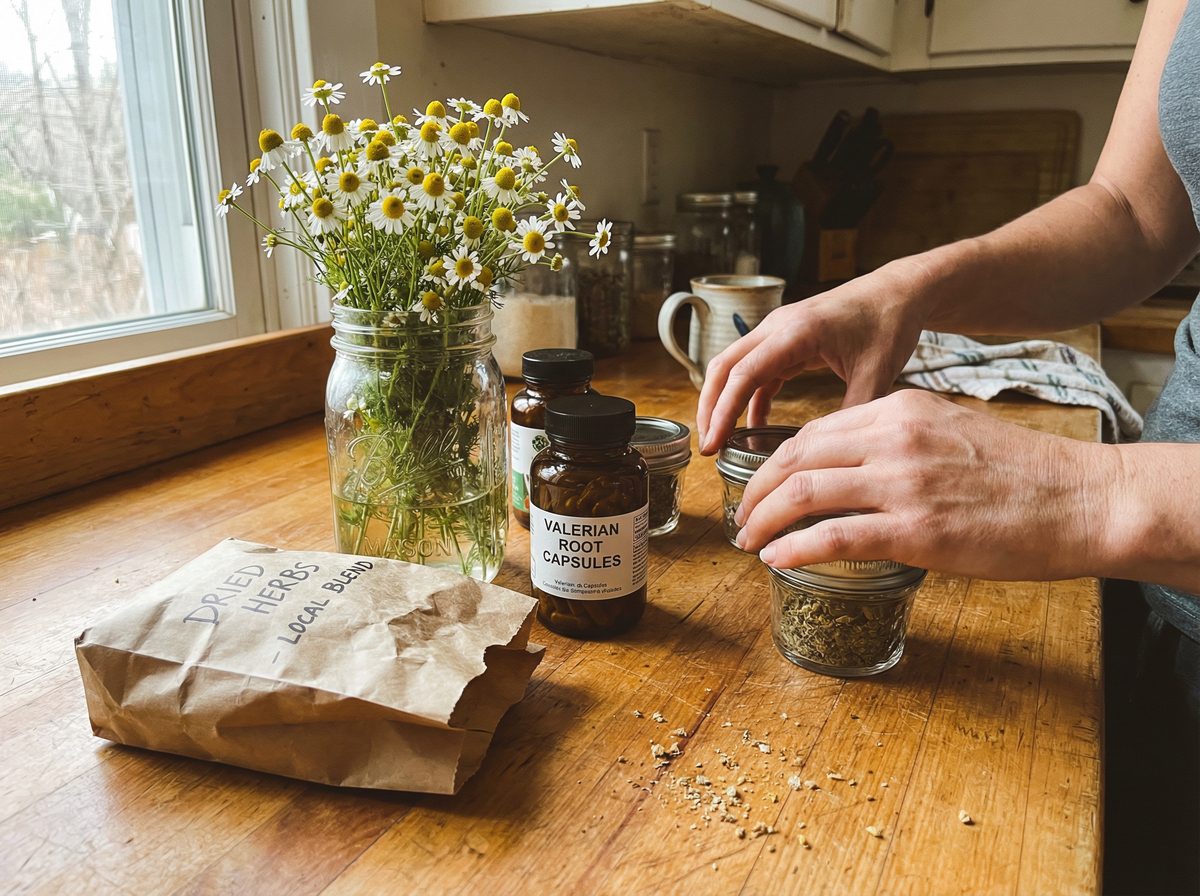
They also practiced útiseta — “sitting out.” Alone under the stars. In silence. Letting the mind empty and the inner power restore.
This wasn’t mysticism.
It was a sophisticated understanding of the mind-body connection — one that modern neuroscience is only now catching up to.
When external systems fail, you turn inward.
That was true in 900 AD. It’s true right now.
The Norse Protocol: What Actually Works (With the Science to Back It Up)
You don’t have to choose between ancient wisdom and modern evidence.
The same herbs the völur used have now been studied in clinical trials. The mechanisms are understood. The dosages are known.
Here’s the protocol.
1. Valerian Root — The Cornerstone
Valeriana officinalis works by increasing GABA in the brain — the same neurotransmitter targeted by anti-anxiety medications, but without the addiction or side effects. [3]
It doesn’t knock you out.
It quiets the mental chatter that prevents sleep.
- Evidence: A meta-analysis of 60 studies confirmed valerian significantly improves sleep quality and reduces time to fall asleep. [4]
- Dose: 300–600mg of standardized extract, 30–60 minutes before bed
2. Ashwagandha — Reset the HPA Axis
This is the adaptogen that attacks the root cause: chronically elevated cortisol.
Ashwagandha directly lowers serum cortisol levels — helping your body remember what a normal circadian rhythm feels like.
- Evidence: A 2025 study found significant cortisol reduction and marked improvement in sleep quality. [5]
- Dose: 300–600mg of KSM-66 or Sensoril extract, taken in the evening
3. Magnesium Glycinate — The Missing Mineral
Over half of Americans are deficient in magnesium. It’s involved in 300+ bodily processes — including sleep regulation, melatonin production, and cortisol control.
Most women are running on empty without even knowing it.
- Evidence: A 2025 RCT showed magnesium bisglycinate significantly improved sleep quality in adults with poor sleep. [6]
- Dose: 200–350mg of elemental magnesium from glycinate form, one hour before bed
4. L-Theanine + Passionflower — The Calm Stack
L-Theanine (from green tea) promotes alpha brain waves — the state of relaxed alertness. Passionflower boosts GABA levels, similar to valerian but through a different pathway.
Together, they reduce nighttime awakenings and improve overall sleep scores. [7]
- Dose: 100–200mg L-Theanine + 250–500mg Passionflower before bed
Note: Always consult a healthcare professional before starting any new supplement regimen, especially if you’re pregnant, nursing, or on medication. This is for educational purposes only.
Your 5-Step Plan to Reclaim the Night
Knowledge without action is just entertainment.
Here’s how to implement the Norse Protocol starting tonight.
Step 1 — The Wind-Down (60 minutes before bed)
Screens off. All of them.
Blue light is a primary melatonin suppressor. Read a physical book. Talk to someone you love. Take your supplements during this window.
Step 2 — The Norse Tea Ritual (30 minutes before bed)
Brew chamomile, passionflower, and a pinch of hops.
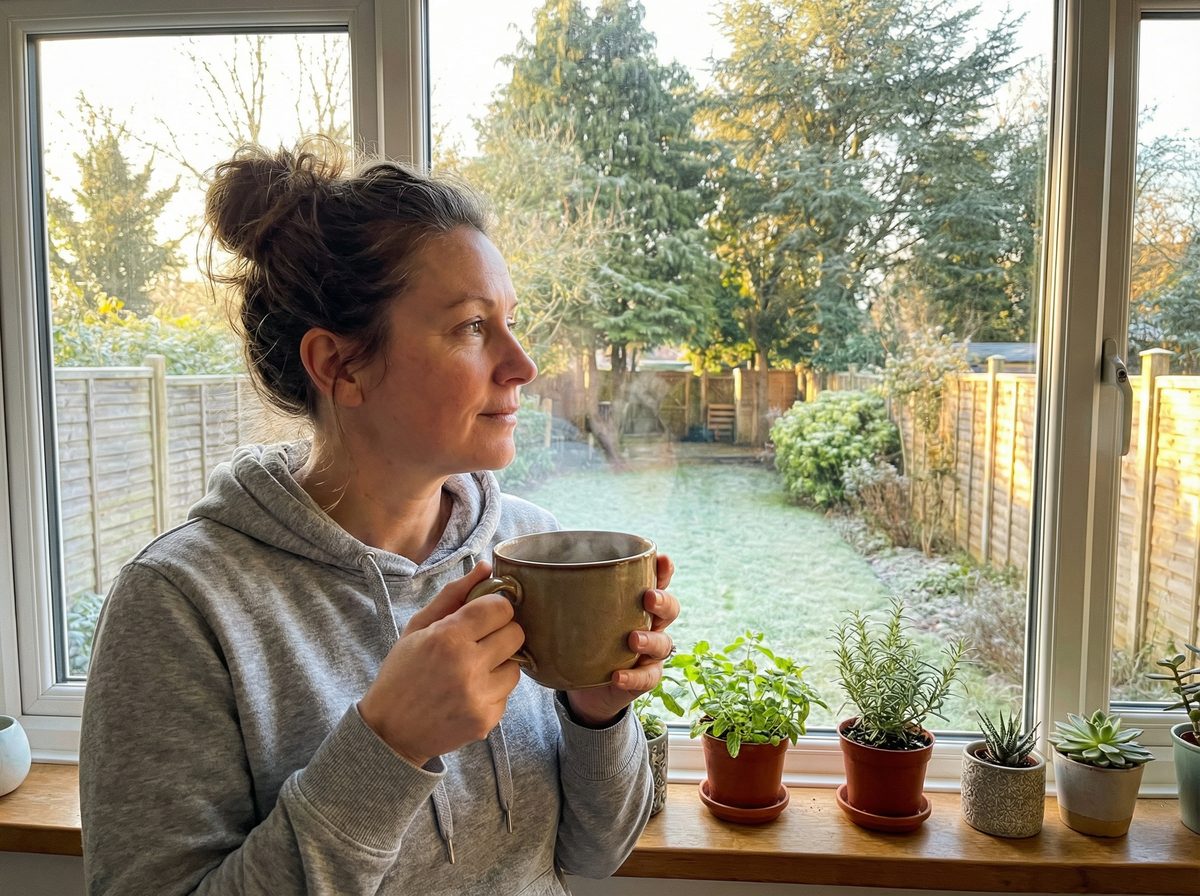
The ritual matters as much as the herbs. The act of slowing down, warming your hands around a cup, breathing in steam — it signals your nervous system: we are safe. we can rest now.
Step 3 — Cold Exposure
A cool shower or even cold water on your face before bed lowers your core body temperature — one of the most powerful biological triggers for sleep onset.
Step 4 — The Blackout
Your bedroom should be a cave.
Dark. Cool. Quiet. Blackout curtains. LEDs covered. White noise if needed.
Step 5 — Morning Light Anchor
Get 10–15 minutes of direct sunlight in your eyes within 30 minutes of waking.
This single habit does more to anchor your circadian rhythm than almost anything else. It sets the clock. It tells your body when day is — so it knows when night is.
You Deserve to Sleep
The great systems of the world are proving their fragility.
Empires abdicate. Supply chains fail. Institutions erode.
But there is one territory that cannot be taken from you — one fortress that is entirely yours to build, defend, and strengthen.
Your body.
Reclaiming your sleep isn’t a wellness trend.
It’s the most fundamental act of self-care available to you right now.
Understanding why the world feels so unstable right now — the historical patterns playing out in real time — is what American Downfall is built for.
Learning to build resilient, decentralized systems in your own life — starting with your own biology — is the core mission of the Self Reliance Report.
And taking concrete, actionable steps to prepare — mentally, physically, and practically — is what The Ready Report delivers every week.
The women who survived the collapse of every great age weren’t the ones waiting for someone to save them.
They were the ones who built strong homes, strong communities, and unshakable inner resolve.
Tonight, you can begin to do the same.
Build the fortress from the inside out.
Reclaim your sleep.
Reclaim your sovereignty.
References
[1] National Council on Aging. (2026, February 22). Sleep Facts and Statistics.
[2] Weiss, A. (2026). Chronic stress as an underrecognized driver of early-onset cerebrovascular disease. Brain and Circulation.
[3] Sleep Foundation. (2025, September 10). Valerian Root for Sleep: Benefits and Side Effects.
[4] Shinjyo, N., Waddell, G., & Green, J. (2020). Valerian Root in Treating Sleep Problems — A Systematic Review and Meta-Analysis. Journal of Evidence-Based Integrative Medicine, 25.
[5] Langade, D., et al. (2025). A New Ashwagandha Formulation Alleviates Stress and Anxiety While Improving Sleep Quality. Journal of Clinical Medicine, 14(8), 2394.
[6] Schuster, J., et al. (2025). Magnesium Bisglycinate Supplementation in Healthy Adults Reporting Poor Sleep. Nutrients, 17(3), 892.
[7] Sleep Foundation. (2025, July 15). Natural Sleep Aids: Which Are the Most Effective?