America is pulling back.
In January 2026, the United States quietly withdrew from 66 international organizations.
They cut 200 NATO positions. They slashed foreign aid. They walked away from the World Bank climate programs.
The empire is abdicating its throne.
And the world isn’t waiting for it to return. China is stepping in to fill every vacated leadership position. Allies are pivoting to regional blocs.
The global system you relied on is fracturing.
But this isn’t the first time an empire has simply walked away.
Between 793 and 1066 AD, the Vikings built the most expansive global network of their era. They traded from North America to the markets of Baghdad. They ruled a North Sea Empire spanning England, Denmark, and Norway.
Then, they stopped.
They weren’t conquered. They weren’t defeated. They just assimilated, Christianized, and chose to stop reaching.
The people who survived the end of the Viking Age weren’t the ones who waited for the longships to return.
They were the ones who built local resilience.
Today, as the American empire retreats, the resulting economic uncertainty and global instability are triggering a silent epidemic.
A crisis of chronic stress.
Your body is absorbing the shockwaves of a collapsing global order.
To understand the full scope of the historical parallel we are living through, read the latest analysis at American Downfall.
The Physiology of Collapse: Your HPA Axis Under Siege
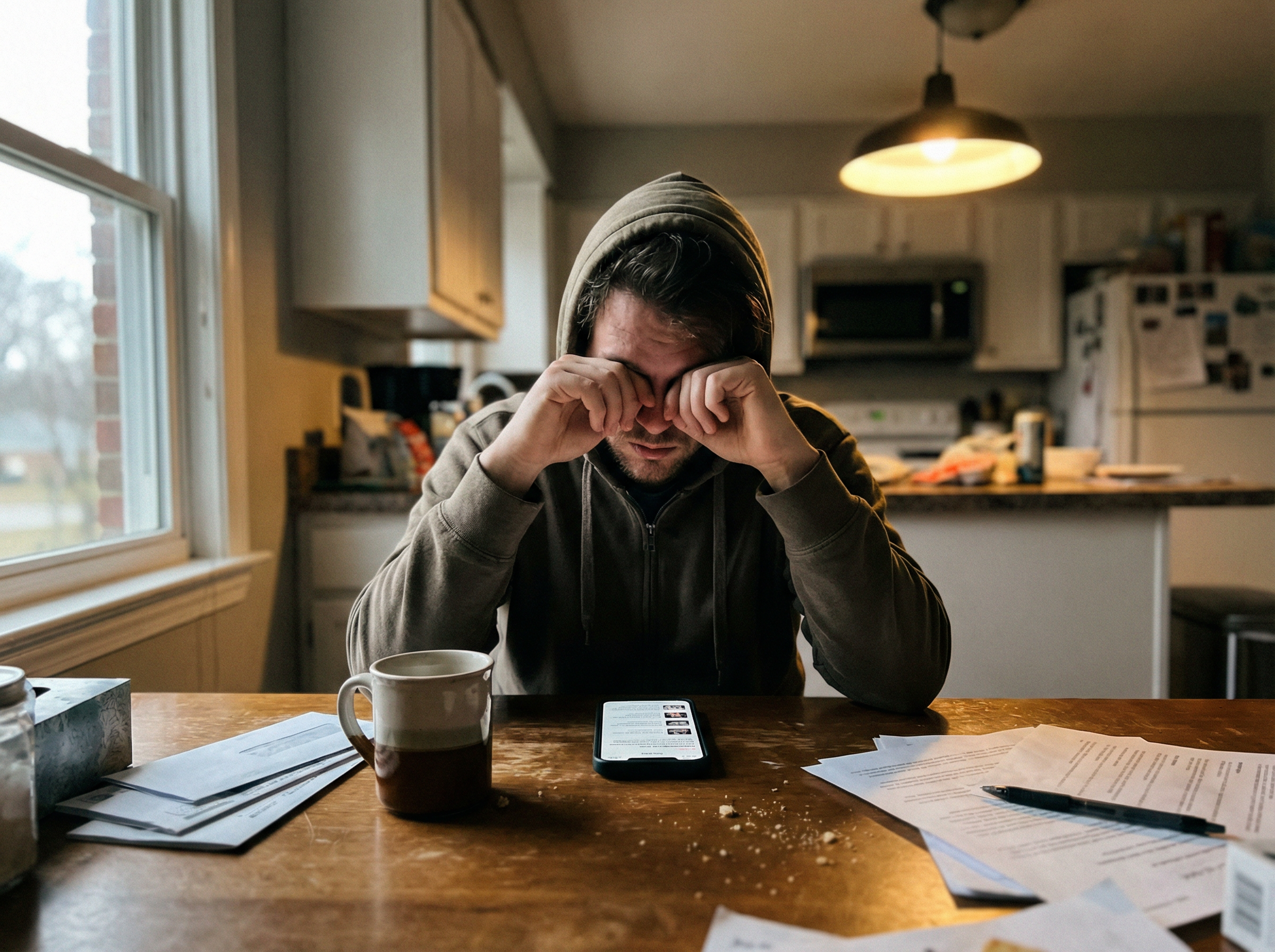
When the world feels unstable, your body reacts as if it’s under physical attack.
The constant barrage of news — inflation, housing crises, geopolitical shifts — activates your Hypothalamic-Pituitary-Adrenal (HPA) axis.
This is your body’s central stress response system.
It floods your system with cortisol, the primary stress hormone.
In short bursts, cortisol is life-saving. It gives you the energy to fight or flee.
But when the stress is chronic — when the “threat” is a slow-motion economic and political retreat — your cortisol levels stay elevated.
This is where the damage happens.
Chronically high cortisol disrupts your sleep. It impairs your immune function. It drives systemic inflammation.
Eventually, your adrenal glands become exhausted.
You feel wired but tired. You wake up exhausted. You experience brain fog, anxiety, and a profound sense of emotional withdrawal.
A 2025 integrative medicine review published in The American Journal of Medicine confirmed that HPA axis dysfunction — driven by chronic stress — manifests as abnormal cortisol rhythms, impaired stress resilience, mood disturbances, and immune dysregulation.
The chaos isn’t just a political strategy. It’s a public health issue.
Your body is the only empire that cannot be abdicated.
While global systems collapse, your health sovereignty is the one thing you must build and keep.
The Viking Protocol: Ancient Resilience for Modern Chaos
The Norse warriors who navigated the harsh Arctic winters and grueling campaigns didn’t rely on modern pharmaceuticals.
They relied on the earth.
Historical data indicates that the Vikings consumed specific medicinal plants to boost their endurance, physical strength, and resilience.
They understood what modern science is only now proving: adaptogens are the key to surviving extreme stress.
Adaptogens are a unique class of healing plants.
They don’t just stimulate or sedate. They adapt to what your body needs, helping to normalize physiological functions and restore balance to your HPA axis.
When the world is unpredictable, adaptogens make your internal environment unbreakable.
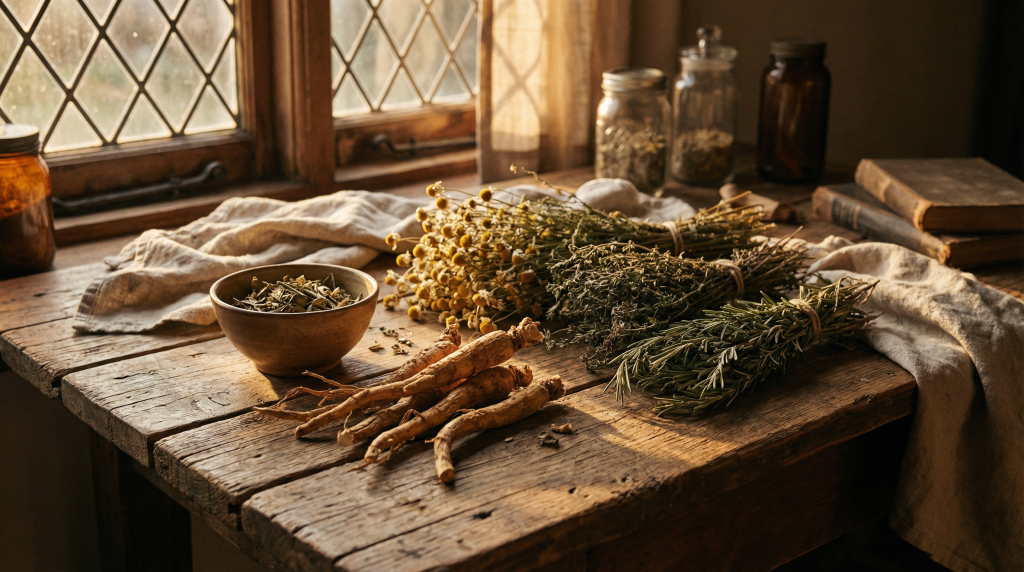
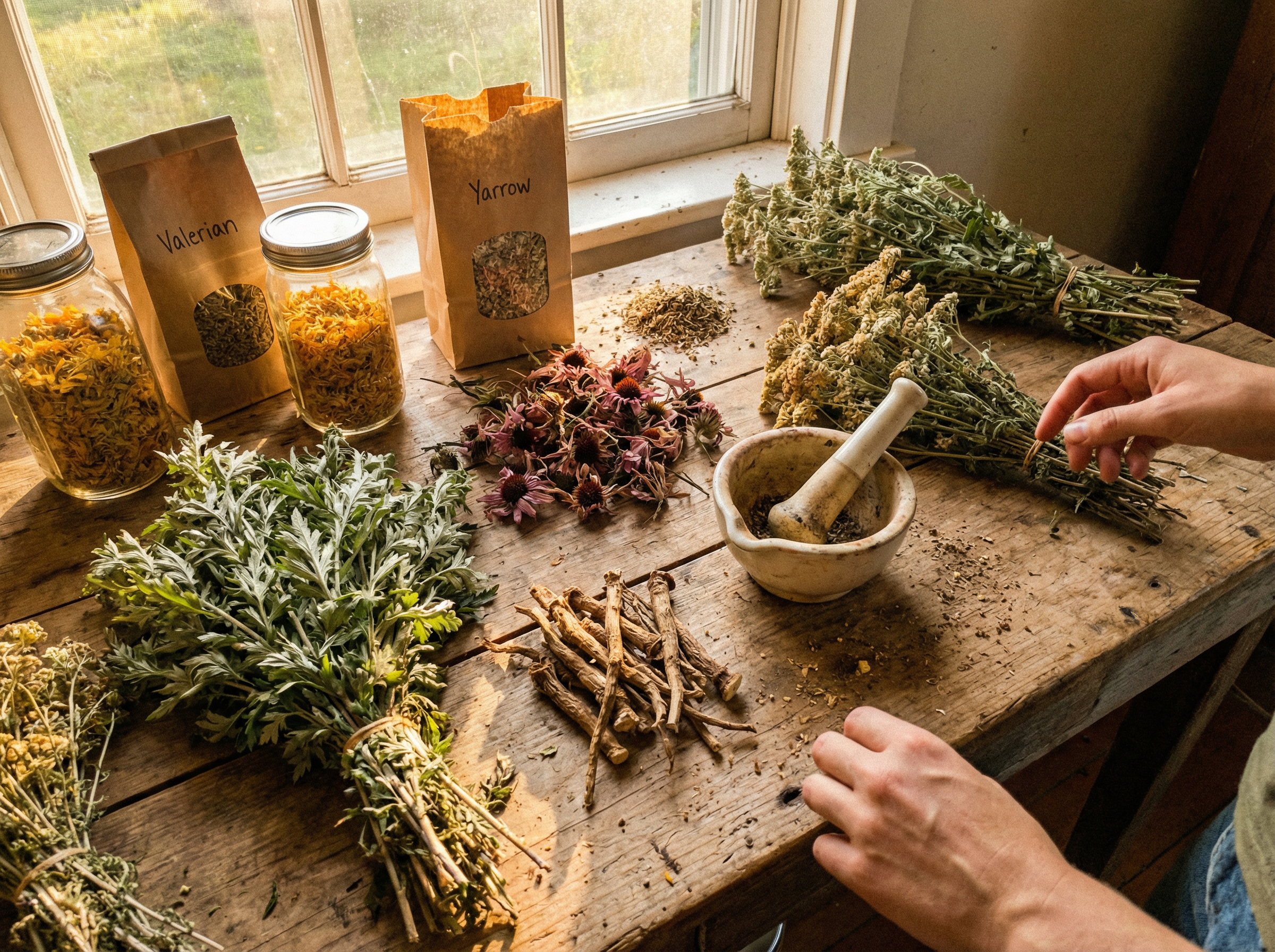
The most powerful adaptogen in the Viking arsenal was Rhodiola rosea.
Also known as the “Golden Root” or “Arctic Root,” this perennial succulent thrives in the frozen, rocky crevices of Scandinavia and Siberia.
It is specifically adapted to survive in harsh, snowbound conditions.
And it transfers that resilience to you.
Evidence-Based Solutions: The Golden Root Protocol
Modern clinical trials have validated what the Vikings knew 1,000 years ago.
A 2025 meta-analysis published in Frontiers in Nutrition showed that Rhodiola rosea supplementation significantly improves endurance and physiological biomarkers under stress.
A 2023 systematic review in Nutrients found that Ashwagandha reduced plasma cortisol by up to 30.5% from baseline in stressed subjects.
A 2025 review in Applied Sciences confirmed that both adaptogens and psychobiotics show measurable promise in reducing stress and anxiety-related symptoms.
Here is the evidence-based protocol for restoring your adrenal fortress:
| Adaptogen | Clinical Mechanism | Evidence-Based Dosage |
|---|---|---|
| Rhodiola rosea | Lowers cortisol, fights fatigue, improves cognitive function under stress | 200–400 mg daily (standardized to 3% rosavins, 1% salidroside). Take in the morning. |
| Ashwagandha | Modulates the HPA axis, significantly reduces serum cortisol levels | 300–600 mg daily (root extract). Best taken in the afternoon or evening. |
| Holy Basil (Tulsi) | Reduces psychological stress and systemic inflammation | 500–1,000 mg daily. Can be consumed as a therapeutic tea. |
Important: Always consult with a qualified healthcare professional before starting any new herbal protocol, especially if you are currently taking medications or have an existing health condition. This article is for educational purposes only and is not intended to diagnose, treat, cure, or prevent any disease.
Practical Implementation: Building Your Internal Fortress
You cannot control the retreat of the American empire.
But you can control your biological response to it.
Here is how you build your internal resilience, step-by-step, starting today:
Step 1: The Morning Adaptogen Protocol
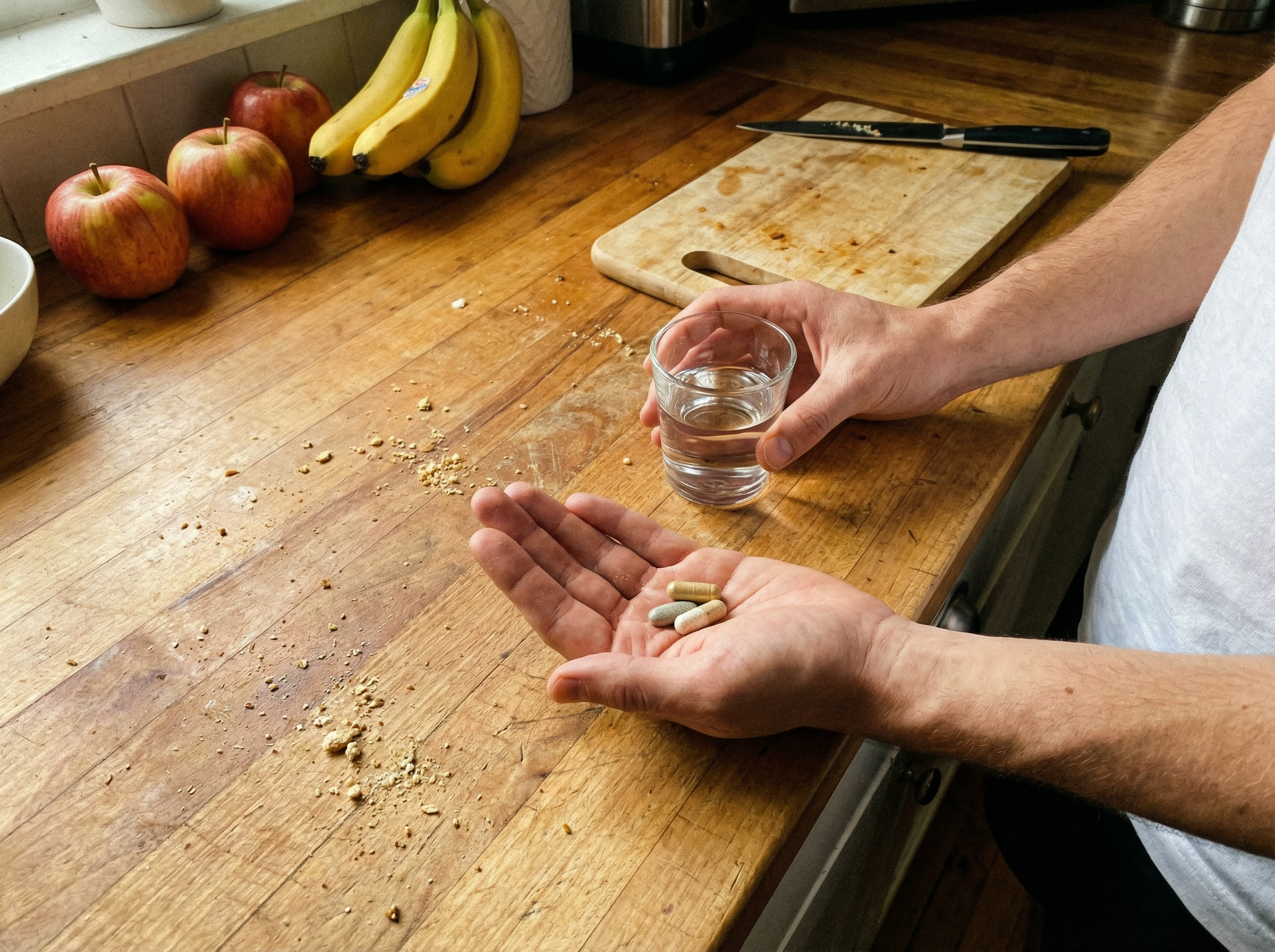
Do not start your day with black coffee on an empty stomach. This spikes cortisol. Instead, take 200–400 mg of high-quality Rhodiola rosea extract with a glass of warm water and a pinch of sea salt to support adrenal mineral balance.
Step 2: Protect Your Circadian Rhythm
The HPA axis relies on light cues. Get outside within 30 minutes of waking. Let natural sunlight hit your eyes. This sets your cortisol clock for the day, ensuring it peaks in the morning and drops at night.
Step 3: The Evening Ashwagandha Shift
As the sun goes down, transition from stimulation to restoration. Take 300 mg of Ashwagandha root extract to actively lower your evening cortisol, preparing your body for deep, restorative sleep.
Step 4: Disconnect from the Collapse
Chronic stress requires a chronic trigger. Limit your exposure to the 24-hour news cycle. The empire will still be retreating tomorrow. Your priority tonight is your own nervous system.
For deeper strategies on building physical and logistical resilience outside the collapsing system, explore the resources at the Self Reliance Report.
The Sovereignty Principle: Your Body Is the Last Empire
Centralized global systems abdicate and collapse.
Decentralized people survive and rebuild.
The Viking Age is the oldest proof in the record. The people who thrived after the longships stopped sailing were the ones who had built local, internal resilience.
They didn’t wait for a system to save them.
You must adopt the same mindset.
Your health sovereignty — your ability to source, grow, and protect your own wellness — is the most important investment you can make right now.
“The survivors of every empire’s collapse are the ones who built local resilience — not the ones who waited for the empire to return.”
The Vikings who survived the end of their age weren’t the ones who mourned the longships.
They were the ones who had already built the farms, the guilds, the communities — and the internal fortresses — that outlasted the empire by centuries.
For actionable steps to protect your family and your assets in the age of global uncertainty, consult the Ready Report.
The world is moving on.
Make sure your body is strong enough to move with it.
References: Ring, M. et al. “An Integrative Approach to HPA Axis Dysfunction.” The American Journal of Medicine, 2025. | Wang, X. et al. “The effect of Rhodiola rosea supplementation on endurance performance.” Frontiers in Nutrition, 2025. | Della Porta, M. et al. “Effects of Withania somnifera on Cortisol Levels.” Nutrients, 2023. | Llopis, I. et al. “The effects of psychobiotics and adaptogens on the human stress response.” Applied Sciences, 2025. | Anghelescu, I.G. et al. “The Effectiveness of Rhodiola rosea L. Preparations.” Molecules, 2022.