“`html
In today’s fast-paced world, finding moments of peace and tranquility can feel like a distant dream. The constant barrage of information, deadlines, and social pressures can leave us feeling overwhelmed and disconnected. Meditation offers a powerful antidote to this modern malaise.
This article explores the art of meditation, providing practical techniques for incorporating this ancient practice into your modern life. Whether you’re a seasoned meditator or a complete beginner, you’ll discover valuable insights and strategies for cultivating inner peace and well-being.
What is Meditation?
Meditation is a practice that involves training the mind to focus and redirect thoughts. It’s not about emptying your mind entirely, which is often a misconception. Instead, it’s about observing your thoughts and feelings without judgment, allowing them to pass without getting carried away.
The goal is to cultivate a state of present moment awareness, where you are fully engaged with what is happening now, rather than dwelling on the past or worrying about the future. Regular meditation can lead to significant improvements in mental and emotional well-being.
Benefits of Meditation
The benefits of meditation are numerous and well-documented. From reducing stress and anxiety to improving focus and concentration, meditation can have a profound impact on your overall health and happiness. It offers a respite from the chaos and noise of daily life.
Furthermore, meditation has been shown to enhance self-awareness, promote emotional regulation, and even improve sleep quality. It can be a valuable tool for managing chronic pain and improving cardiovascular health. The positive effects extend to both mind and body.
Here are some key benefits:
- Reduces stress and anxiety: Calms the nervous system and lowers cortisol levels.
- Improves focus and concentration: Trains the mind to stay present and attentive.
- Enhances self-awareness: Promotes understanding of thoughts, feelings, and behaviors.
- Promotes emotional regulation: Helps manage and respond to emotions in a healthy way.
- Improves sleep quality: Creates a sense of relaxation and calm, leading to better sleep.
s Meditation
Mindfulness meditation involves paying attention to your thoughts, feelings, and sensations in the present moment without judgment. You simply observe what arises in your awareness, without getting caught up in it. It’s about accepting your experience as it is.
This technique can be practiced anywhere, anytime. You can focus on your breath, your body sensations, or even the sounds around you. The key is to stay present and avoid getting lost in thought. When your mind wanders, gently redirect your attention back to your chosen focus.
Samatha-Vipassana
Samatha-Vipassana, originating from Buddhist traditions, combines calm abiding (Samatha) and insight (Vipassana) meditation. Samatha first cultivates a calm, focused mind, often through breath awareness. This stable foundation then allows for Vipassana, which involves observing the arising and passing of phenomena with clear insight.
The combination of these two techniques offers a balanced approach, fostering both tranquility and deep understanding. It helps practitioners to not only calm the mind but also to gain wisdom and insight into the nature of reality.
Transcendental Meditation (TM)
Transcendental Meditation (TM) involves using a mantra – a specific word or sound – to quiet the mind. You silently repeat the mantra, allowing your thoughts to drift naturally. The goal is to transcend ordinary thinking and experience a state of deep relaxation.
TM is typically taught by certified instructors and requires a specific initiation process. Many practitioners find it to be a highly effective method for reducing stress and promoting inner peace. The simplicity of the technique makes it accessible to many.
Loving-Kindness Meditation (Metta)
Loving-kindness meditation, or Metta, involves cultivating feelings of love and compassion towards yourself and others. You begin by directing these feelings towards yourself, then gradually extend them to loved ones, neutral people, difficult people, and finally, all beings.
This practice can help to dissolve feelings of anger, resentment, and judgment, replacing them with a sense of connection and empathy. It’s a powerful tool for fostering inner peace and improving relationships. It also fosters self-compassion.
Walking Meditation
Walking meditation involves focusing on the sensations of walking – the feeling of your feet on the ground, the movement of your body, and the rhythm of your breath. You walk slowly and deliberately, paying attention to each step. It combines physical activity with mindful awareness.
This technique is a great option for those who find it difficult to sit still for extended periods. It can be practiced outdoors or indoors, making it a versatile and accessible form of meditation. It provides a mindful approach to movement.
Body Scan Meditation
Body scan meditation involves bringing your attention to different parts of your body, one at a time. You focus on the sensations in each area, noticing any tension, pain, or discomfort. The goal is to become more aware of your body and release any stored stress.
This technique can be particularly helpful for managing chronic pain and improving body awareness. It can be practiced lying down or sitting, making it a comfortable and accessible option. It cultivates a deeper connection with your physical self.
Yoga and Meditation
Yoga and meditation are often practiced together, as they complement each other beautifully. Yoga postures (asanas) help to prepare the body and mind for meditation, while meditation deepens the experience of yoga. The combination provides a holistic approach to well-being.
Yoga helps to release physical tension and improve flexibility, making it easier to sit comfortably for meditation. The mindful breathing practiced in yoga also enhances the ability to focus and stay present. Integrate both for optimal benefits.
How to Start a Meditation Practice
Starting a meditation practice doesn’t have to be daunting. The key is to start small and be consistent. Even just a few minutes of meditation each day can make a significant difference. The important thing is to make it a regular habit.
Here are some tips for getting started:
- Find a quiet space: Choose a place where you can sit or lie down without being disturbed.
- Set a specific time: Schedule a time each day for your meditation practice.
- Start small: Begin with just 5-10 minutes of meditation and gradually increase the duration.
- Focus on your breath: Use your breath as an anchor to bring you back to the present moment.
- Be patient: Don’t get discouraged if your mind wanders. Just gently redirect your attention.
Creating a Meditation Space
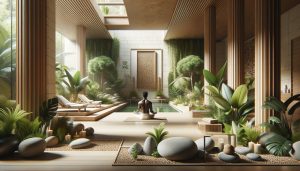
Having a dedicated meditation space can help to create a sense of calm and focus. It doesn’t have to be elaborate or expensive. Simply choose a corner of a room or a small area where you can retreat to for quiet reflection.
Consider adding elements that promote relaxation, such as soft lighting, comfortable cushions, and calming scents. Personalize your space with items that bring you joy and peace. The environment should support your practice.
Overcoming Common Challenges
It’s common to encounter challenges when starting a meditation practice. A wandering mind, restlessness, and physical discomfort are all normal experiences. The key is to approach these challenges with patience and understanding.
Here are some tips for overcoming common challenges:
- Wandering mind: Gently redirect your attention back to your breath or chosen focus.
- Restlessness: Acknowledge the feeling and try to accept it without judgment.
- Physical discomfort: Adjust your posture or try a different meditation technique.
- Lack of time: Even a few minutes of meditation is better than none.
- Doubt: Remind yourself of the benefits of meditation and keep practicing.
Meditation and Technology
While technology can often be a source of distraction, it can also be a helpful tool for supporting your meditation practice. There are many meditation apps and online resources available that can guide you through different techniques and provide helpful support.
However, it’s important to use technology mindfully. Avoid distractions like notifications and emails during your meditation session. Use technology as a tool to enhance your practice, not to replace it.
Meditation in Daily Life
Meditation isn’t just something you do in a quiet room for a set period of time. It’s a practice that can be integrated into your daily life. You can cultivate mindfulness in everyday activities, such as eating, walking, and working.
By paying attention to the present moment in all that you do, you can transform ordinary activities into opportunities for meditation. This continuous practice can lead to a deeper sense of peace and well-being. Mindfulness becomes a way of life.
Advanced Meditation Practices
Once you have established a regular meditation practice, you may want to explore more advanced techniques. These practices can deepen your experience and lead to greater insights. They often require guidance from experienced teachers.
Advanced practices may include longer meditation sessions, retreats, and specific techniques for working with difficult emotions. They offer a path for continued growth and transformation.
The Importance of Consistency
Consistency is key to reaping the full benefits of meditation. Just like any skill, meditation requires regular practice to develop and maintain. Aim to meditate at the same time each day, even if it’s just for a few minutes. Consistency is more important than duration.
Make meditation a non-negotiable part of your daily routine. The more consistent you are, the more you will experience the positive effects of meditation on your mind, body, and spirit. It’s a long-term investment in your well-being.
Conclusion
Meditation is a powerful tool for navigating the challenges of modern life. By cultivating present moment awareness and training your mind to focus, you can reduce stress, improve focus, and enhance your overall well-being. Start small, be consistent, and enjoy the journey.
Embrace the art of meditation and discover the transformative power of inner peace. It’s a gift you can give yourself every day. With consistent practice, you’ll find that meditation becomes an invaluable resource for navigating life’s complexities with grace and resilience.
“`