

You take a bottle from the fridge and drink it with lunch. Later, you read the label. One number seems small until you see how much of the bottle that number covers.
Today’s check takes about 10 minutes.
Keep one light on when the room goes dark.
Think about the first lamp or phone charger you’d want back. See how a rechargeable station connects to everyday devices.
| See the 2200X Setup → |
Today’s Install
Print the worksheet, fill it in, and add it to your Household Resilience Network binder.
Action brief
Time · About 10–15 minutes
Cost · Use what you already have
Win · You have one whole-bottle number to use on your next shopping trip.
What’s happening now?
November is National Diabetes Month. One useful habit is to look at the amount on a drink label before you compare two drinks. On many labels, grams of added sugar are listed for one serving. If the container has two servings and you finish it, the amount for the bottle is twice the amount for one serving.
Has this happened before?
When the Nutrition Facts panel got a second look
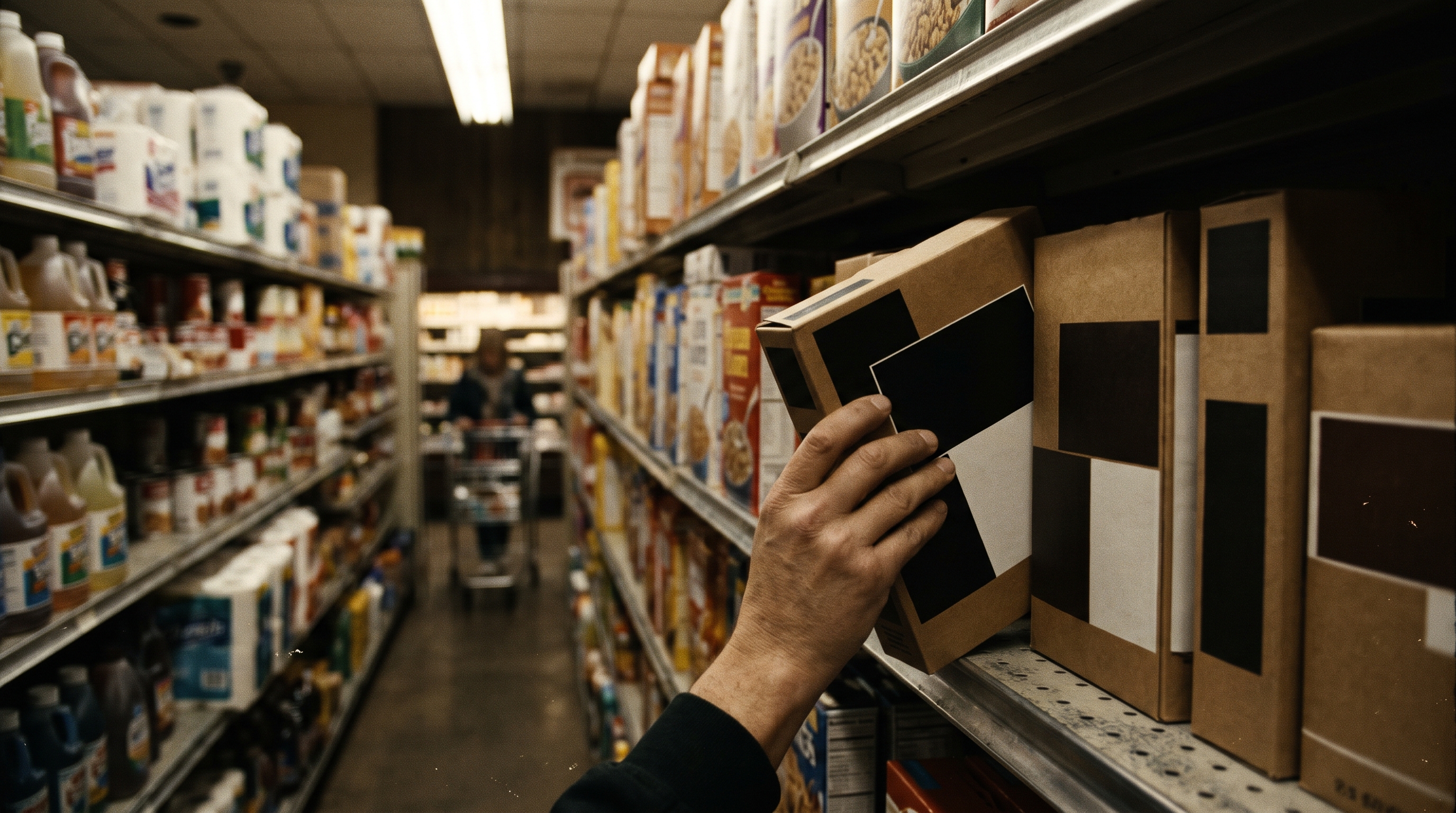
A grocery shelf in the early 1990s held dozens of packages, each with its own way of drawing the eye. A bright box might tell you why the food was special. The words on the front rarely made it easy to compare two foods from the same shelf.
A federal law passed in 1990 led to the Nutrition Facts label. The Food and Drug Administration issued rules in 1993. The familiar box put many of the same kinds of information in the same place. The amounts could still be confusing if a reader took a serving to mean the whole package.
Serving size is tied to an amount people usually eat or drink at one time. It does not tell you how much you should have. When the FDA updated the label in 2016, it looked at newer data about the amount people tend to eat. Some packages that were often finished at one sitting were treated as one serving. Some larger packages had to show both per-serving and per-package values.
This matters for a person who is in a hurry. If one bottle lists the whole amount and another lists a smaller serving, the two numbers on the labels can look much closer than they really are. The label can be right and your first comparison can still be wrong.
The extra check is easy once you know where to look. Start with the amount the number describes. Then go down the label to find the number you care about. Reading in that order makes the printed information more useful.
What happened next?
A number becomes useful when you know the amount it measures.
Why is there a bowl of jelly in a joint video?
The first few steps after lunch can be the ones you think twice about. Follow the video’s question about the fluid inside your joints into its ingredient story.
| Watch the Joint-Support Video |
What can I do?
If you usually finish the bottle, compare the bottle total. If the label already shows both columns, use the whole-package column.
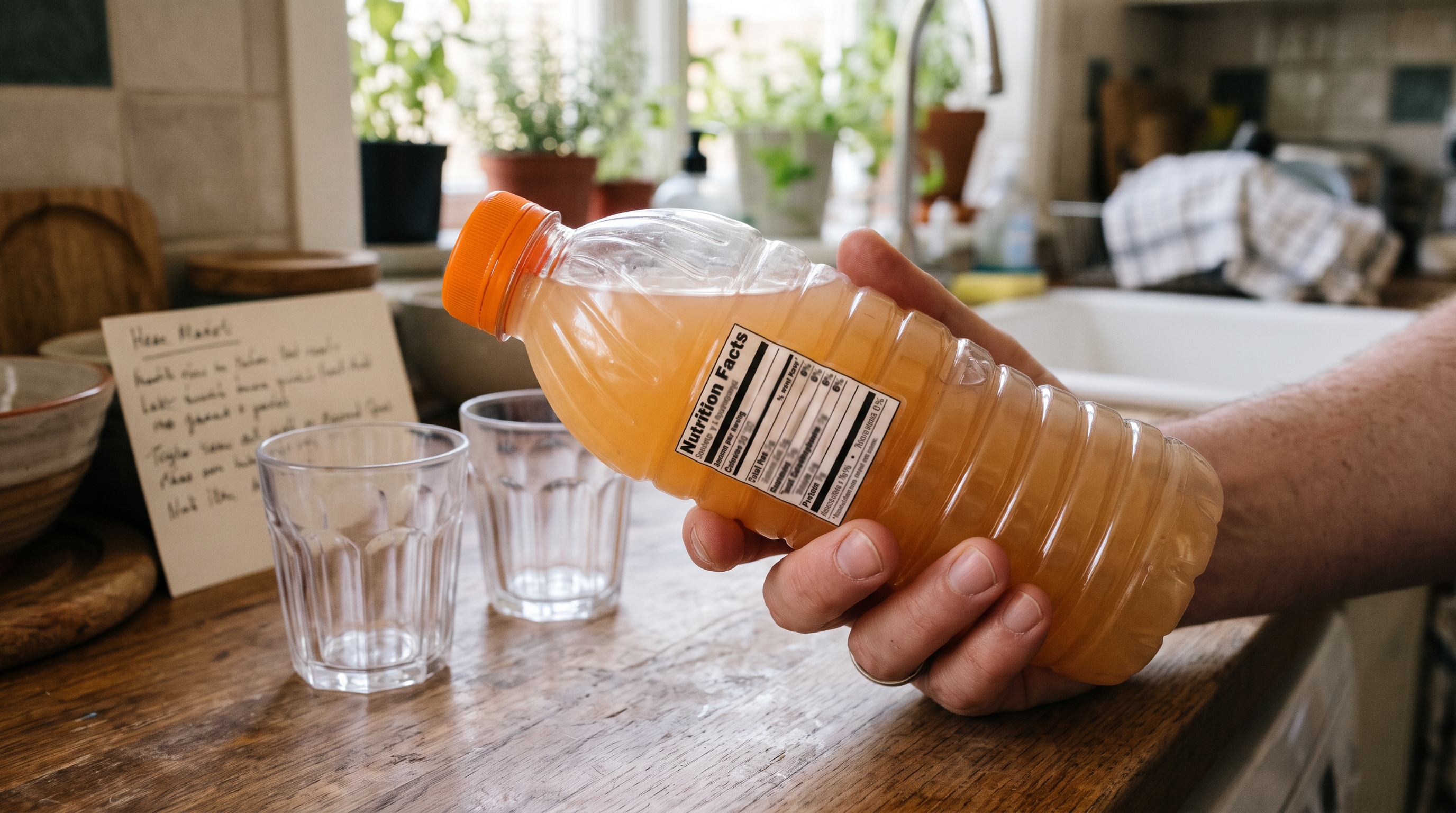
1. Pick one drink you buy often. Find serving size and servings per container.
2. Find the added-sugar line. If it shows 8 grams per serving and there are two servings, the whole bottle has 16 grams.
3. Write the total on your shopping list. Compare it to one other drink the next time you shop.
My Whole-Bottle Check
☐ I finished the check or set a date for the next step.
Status check. You have one whole-bottle number to use on your next shopping trip.
Takeaway. Read the amount before you read the number.
Stay steady,
Nick Anderson
Seven Holistics
P.S. Which drink surprised you when you read the serving line? Hit reply and tell me. If this would help a friend, forward it to them.
P.P.S. Two useful next reads:
Start with a fresh ingredient you already use at lunch.
Pick one ingredient you buy on repeat. The Modern Victory Garden shows ways to start in a container, on a patio, or indoors.
| See the Modern Victory Garden → |