
Your Daily Install connects what’s happening now with a useful lesson from the past and one small thing you can do at home.
Print the worksheet, fill it in, and add it to your Household Resilience Network binder.
What’s happening now?
Someone has offered to sit with your parent while you run an errand. Before you go, ask them to find the one thing they’ll need first. Can they do it without calling you back into the room?
November is National Family Caregivers Month. A lot of the work of caring for someone lives in the usual caregiver’s memory. The helper may know the person well and still be new to the routine.
Start with one safe, ordinary task. Show them where the things they need are, then let them try the first step with you nearby.
Has this happened before?
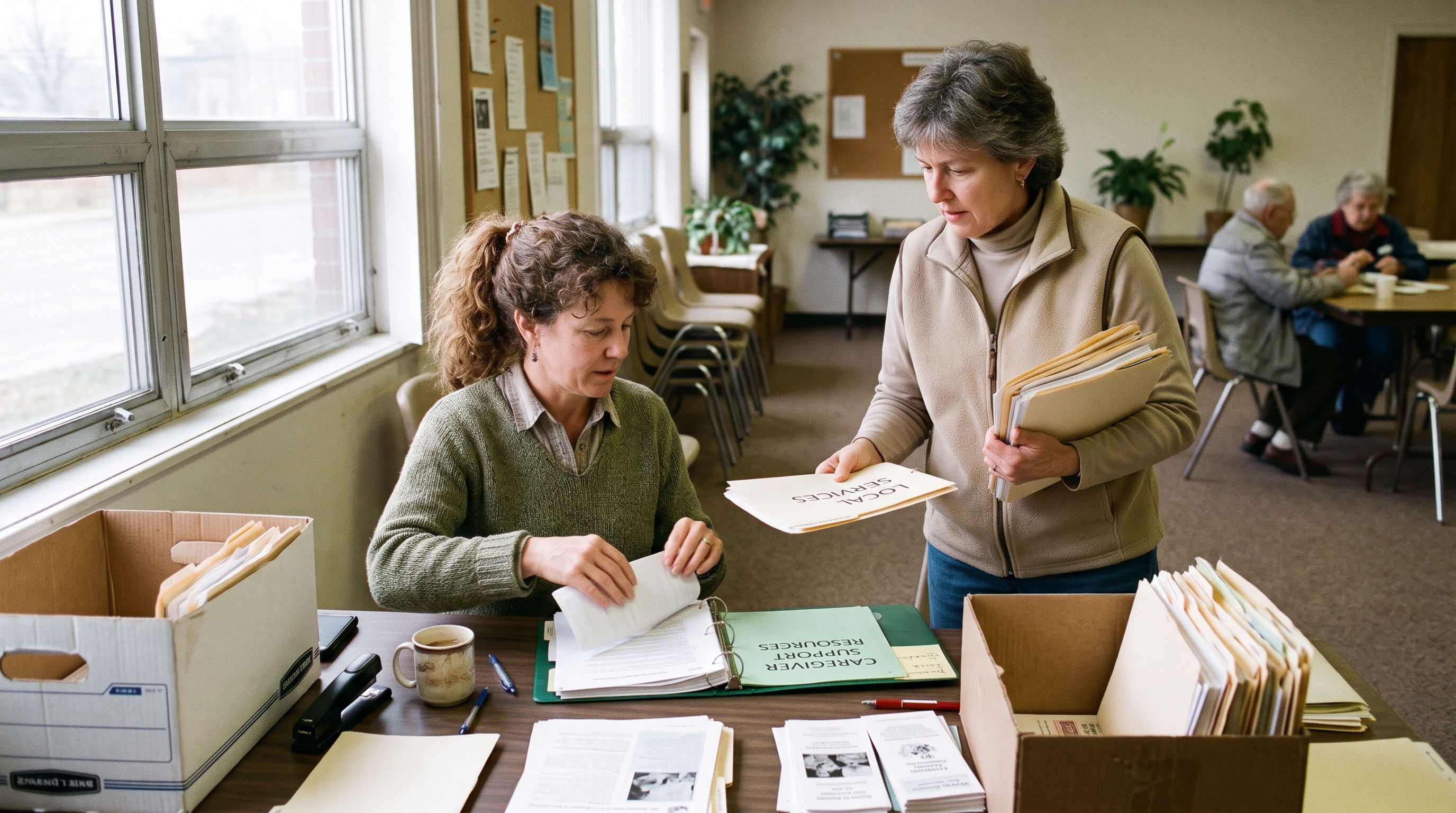
In 2000, Congress created the National Family Caregiver Support Program under the Older Americans Act. It gave states and territories funding to help family caregivers get information, learn skills, and find support.
One type of help was respite care. That means someone temporarily takes over care so the usual caregiver can have time away. It treats the caregiver’s time as part of keeping care going at home.
A caregiver can spend a day keeping track of small things nobody sees. When to offer lunch, who can find the spare key, or how to settle in for a quiet afternoon can all be familiar to the person who’s there every day. To someone arriving for the first time, those details have to be passed along.
The federal program did not make every family’s needs the same. It did recognize that families often need a reliable way to get some relief.
What happened next?
A neighbor can sit and talk with someone who is comfortable being left with them. More complex care may require trained help. Pick a safe routine the person receiving care agrees to.
Let the helper try the first step while you’re still there. If lunch is the task, ask them to show you where they’ll find the prepared food and what they’ll do if a question comes up.
If they pause at the same detail you thought was obvious, you’ve found what to put on the handoff card. One line on a card is easier to find than one detail buried in a long message.
What does a body-point routine look like?
When a quiet moment opens up, it helps to know what a routine asks of you. This video introduces a home routine using specific spots on the body called meridian points.
| Watch the Body-Point Routine |
What can I do?
Choose one safe routine a trusted helper has agreed to cover. Have them walk through the first step with you nearby. Write down the detail they had to ask about and how to reach you. For care that requires training, arrange qualified help.

My Five-Minute Handoff Test
☐ I finished the check or set a date for the next step.
Today’s win: one helper has practiced the first step and can find what they need.
What could you pick while dinner is cooking?
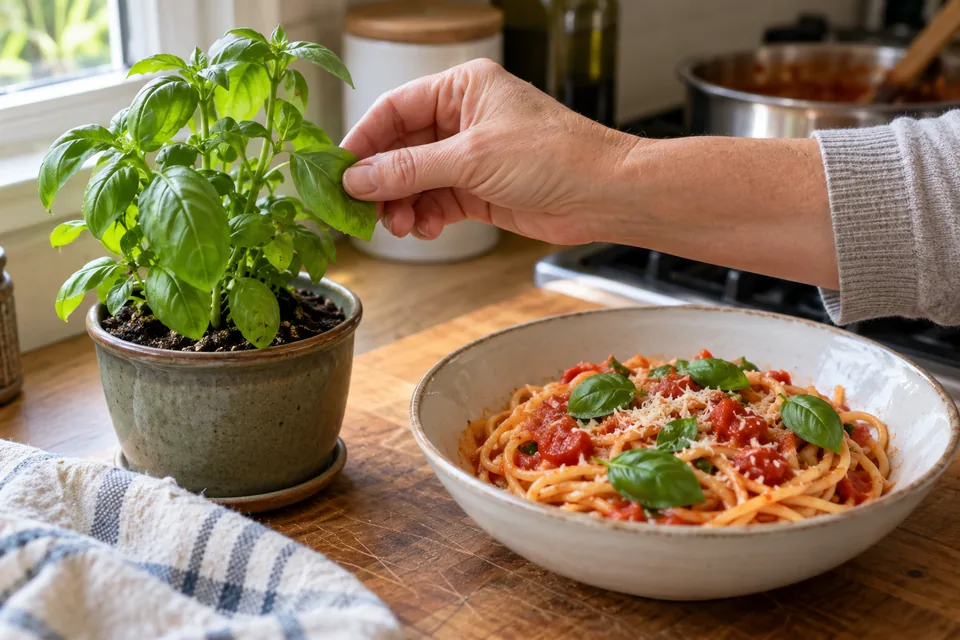
A few leaves of basil can be all you need for a meal. See how a small growing spot can fit into a routine you already have.
| See the Modern Victory Garden → |
Stay steady,
Nick Anderson
Seven Holistics
P.S. What’s one household care detail you’ve never had to explain? Hit reply and tell me. Forward this to someone who’s been caring for family without a regular break.
P.P.S. Two useful next reads: