
Your Daily Install connects what’s happening now with a useful lesson from the past—and one small thing you can do at home.
Print the worksheet, fill it in, and add it to your Household Resilience Network binder.
What’s happening now?
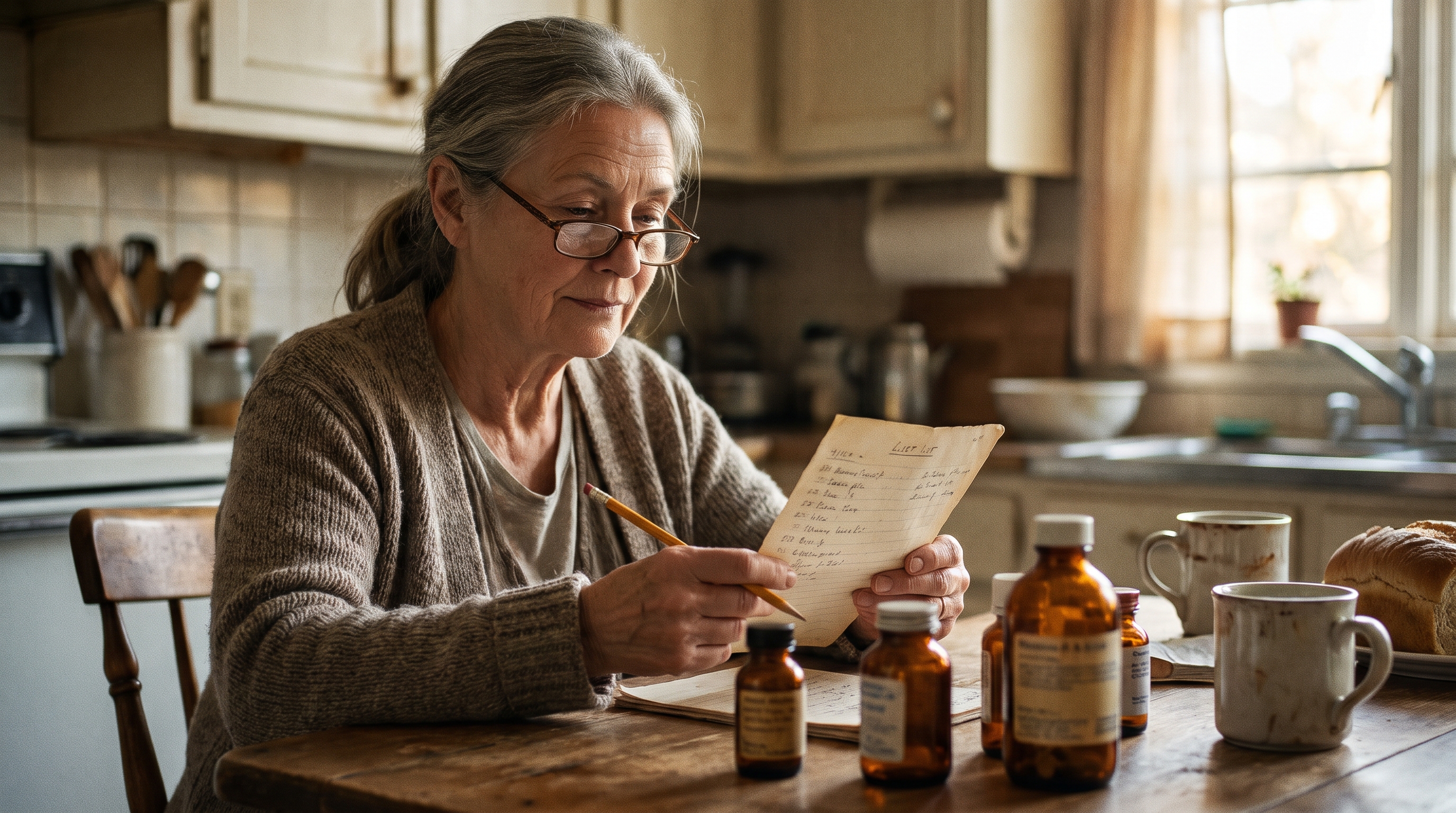
You can name the daily prescription. What about the sleep aid, the vitamin, and the bottle you use only now and then? They may live in three different rooms.
November is National Family Caregivers Month. ACL’s current campaign recognizes the people helping relatives and friends manage daily life. One useful handoff can begin with a single page.
A list of prescriptions is not always the full medicine list. Include over-the-counter products and supplements, too. That gives a clinician or pharmacist a better starting point for checking the whole picture.
Has this happened before?
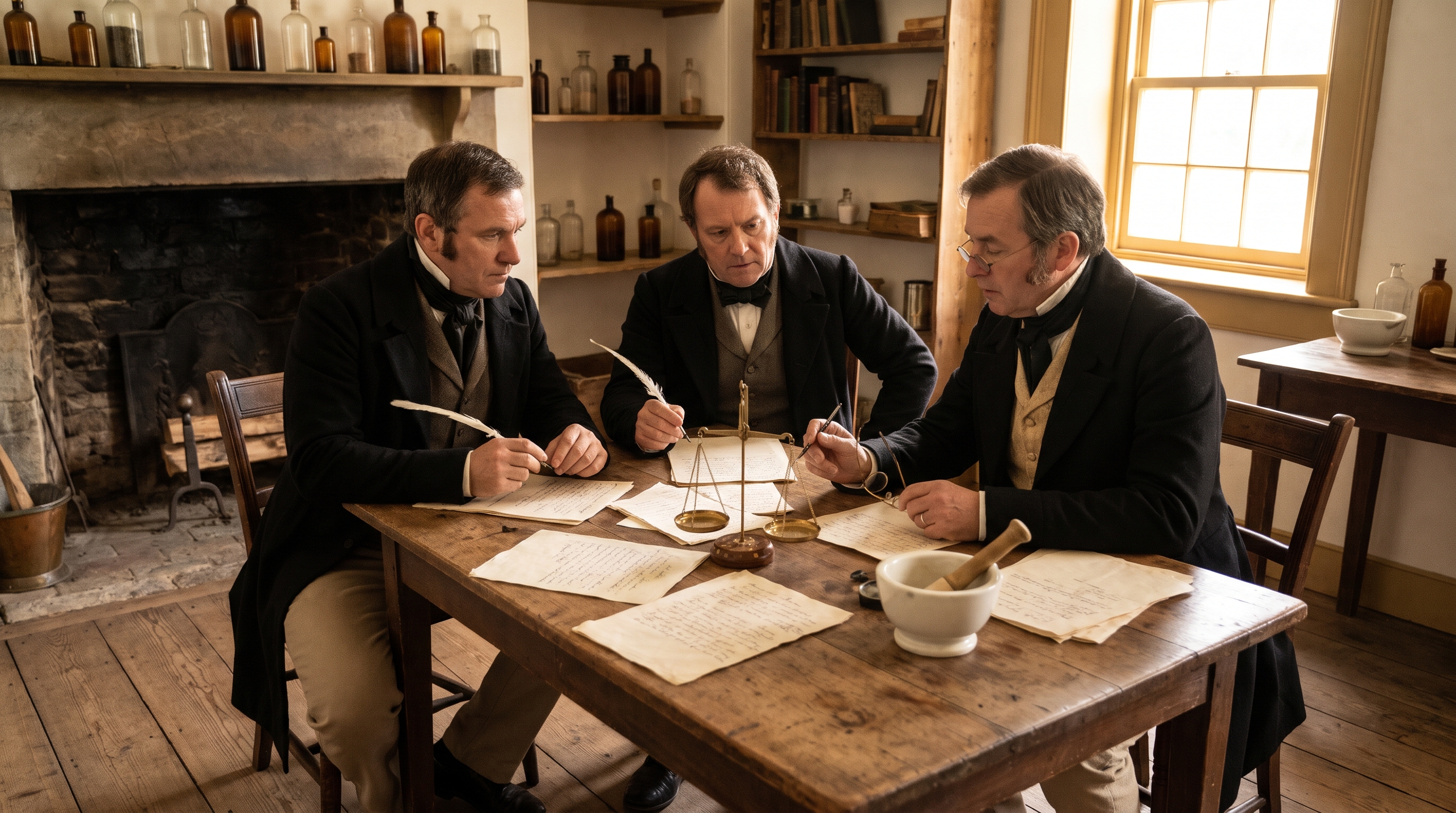
In 1817, physician Lyman Spalding proposed a shared American book of drug standards. Doctors were using many preparations, but they needed a common reference for what those preparations contained.
On January 1, 1820, eleven physician delegates met in the old Senate chamber in Washington. They formed the United States Pharmacopeial Convention. By the end of the year, the first national drug reference had been published.
The book included drugs, weights and measures, and recipes for preparations. It reflected the medicine of its time, including treatments we would not use as a modern care plan.
Its useful step was making the contents explicit. A name and a memory were not enough for people trying to prepare the same medicine in different places.
What happened next?
That shared reference grew into the standards work of USP. The old recipes are not instructions for your home. The useful lesson is simpler: people can work together more clearly when they can see the same written information.
At home, your page is a record, not a prescription. It should show the product name, strength, how you actually take it, and who prescribed it when relevant.
The missing bottle may be the one you do not think of as medicine. Put it on the page, then let the pharmacist or clinician check the combination.
What if the routine did not start with another bottle?
Another bottle to sort. Another routine to remember. This at-home video takes a different route: finger pressure on body points. Which spots does it start with—and why those?
| See the Body-Point Routine → |
What can I do?
Give yourself 15 minutes to start the list from the labels, rather than from memory. Keep products in their original containers. Use a separate line for each prescription, over-the-counter medicine and supplement. Ask the person’s permission if you are helping them.
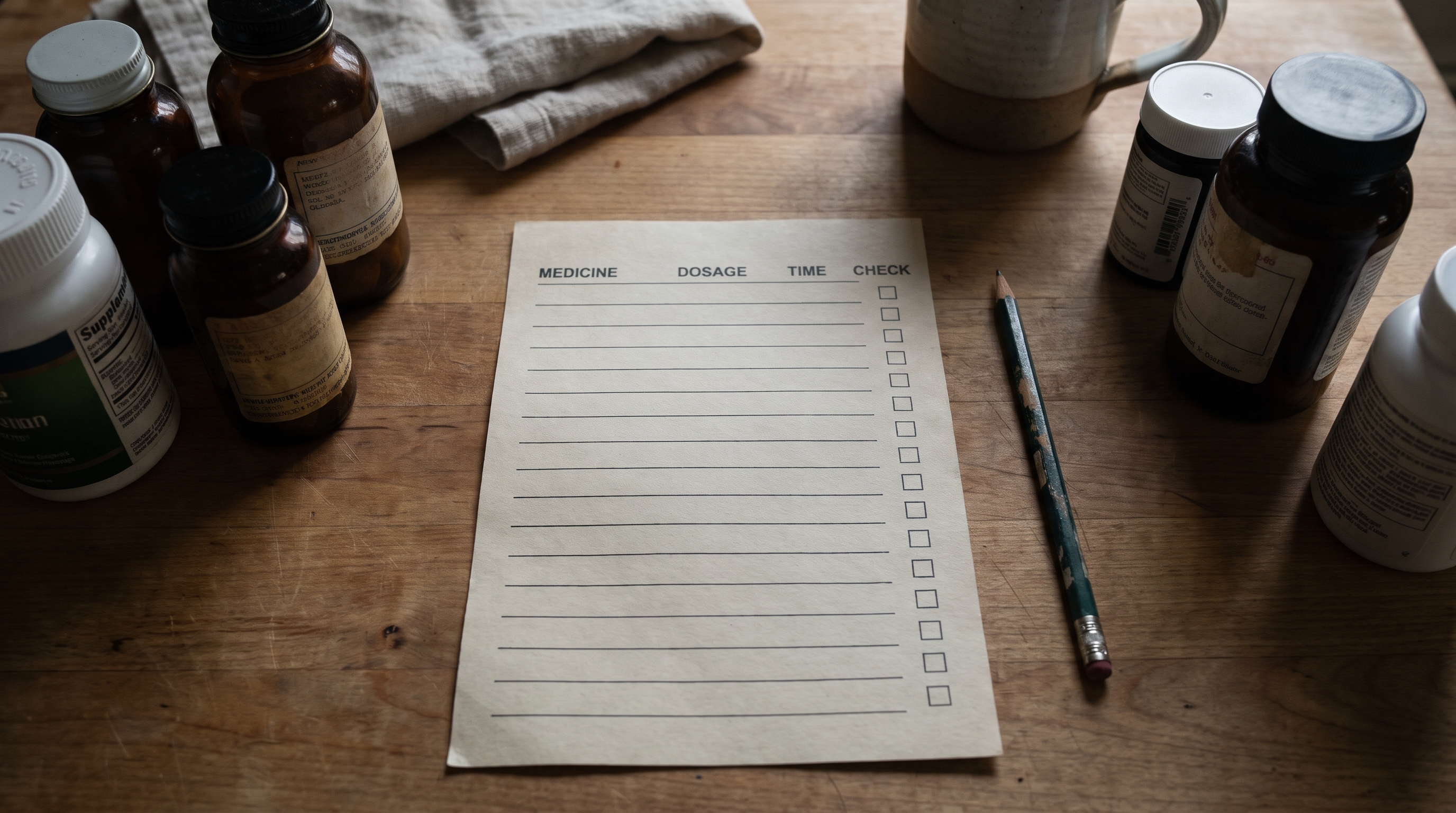
My One-Page Medicine Handoff
1. Gather the full picture
☐ Prescriptions checked
☐ Over-the-counter products checked
☐ Vitamins and supplements checked
2. Make one line per product
3. Make it usable
☐ New or changed products added
Repeat the product line for every bottle. Keep this private. Do not stop, start or change a dose from this worksheet; ask your clinician or pharmacist about anything unclear.
Today’s win: the full list has a home, and missing details have a named next step.
What if the next handful came from home?
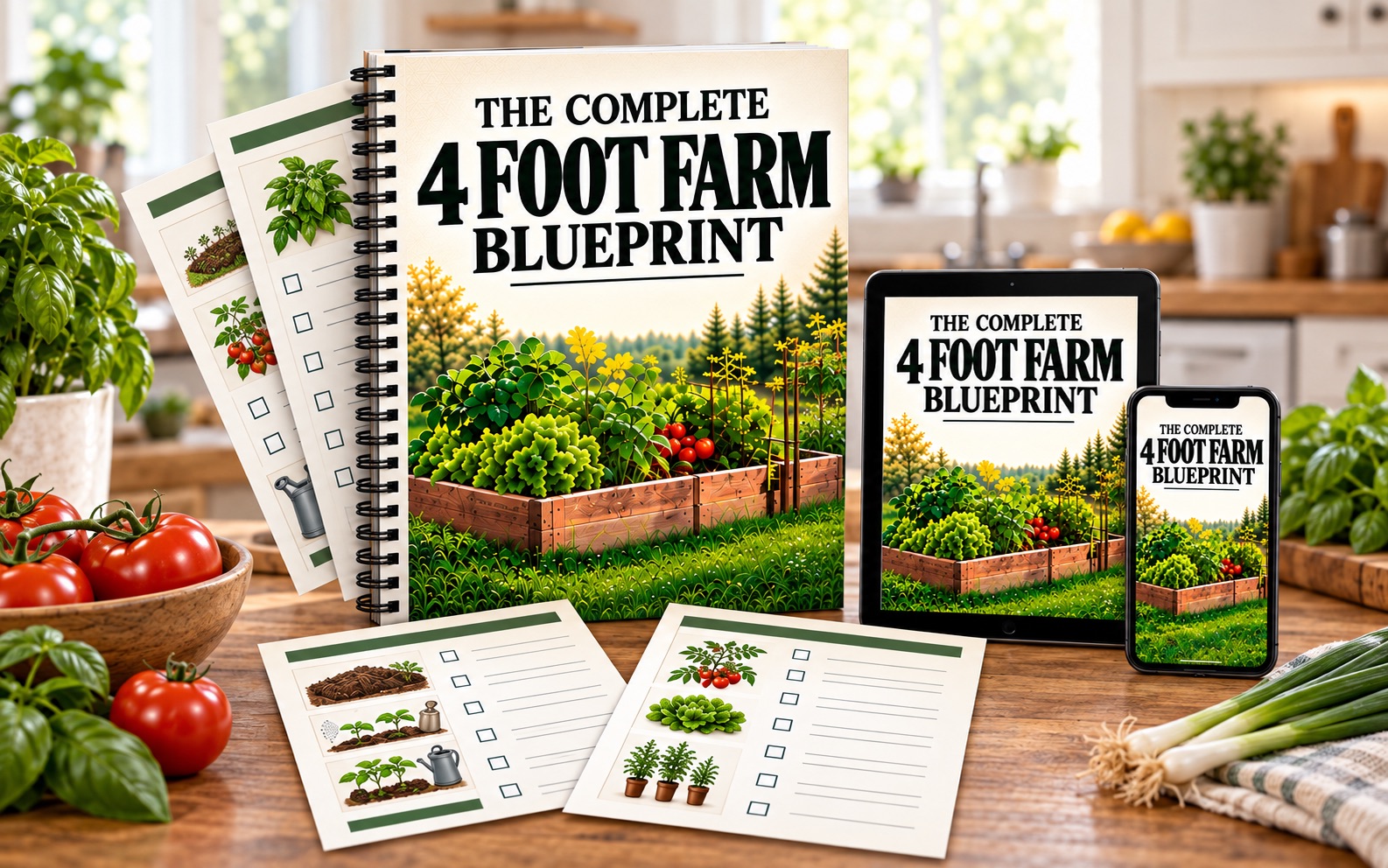
Herbs for dinner. Greens for a sandwich. The COMPLETE 4 Foot Farm Blueprint shows how to start with food you already eat, using a small outdoor spot or an indoor setup.
See the current $7 offer: all 10 Action Plans, both bonuses and instant digital access.
| See the $7 Complete Blueprint → |
Stay steady,
Nick Anderson
Seven Holistics
P.S. Which was easier to overlook: an occasional medicine or a supplement? Hit reply and tell me. Forward this to the person helping your family prepare for visits or appointments.
P.P.S. Two useful next reads: