
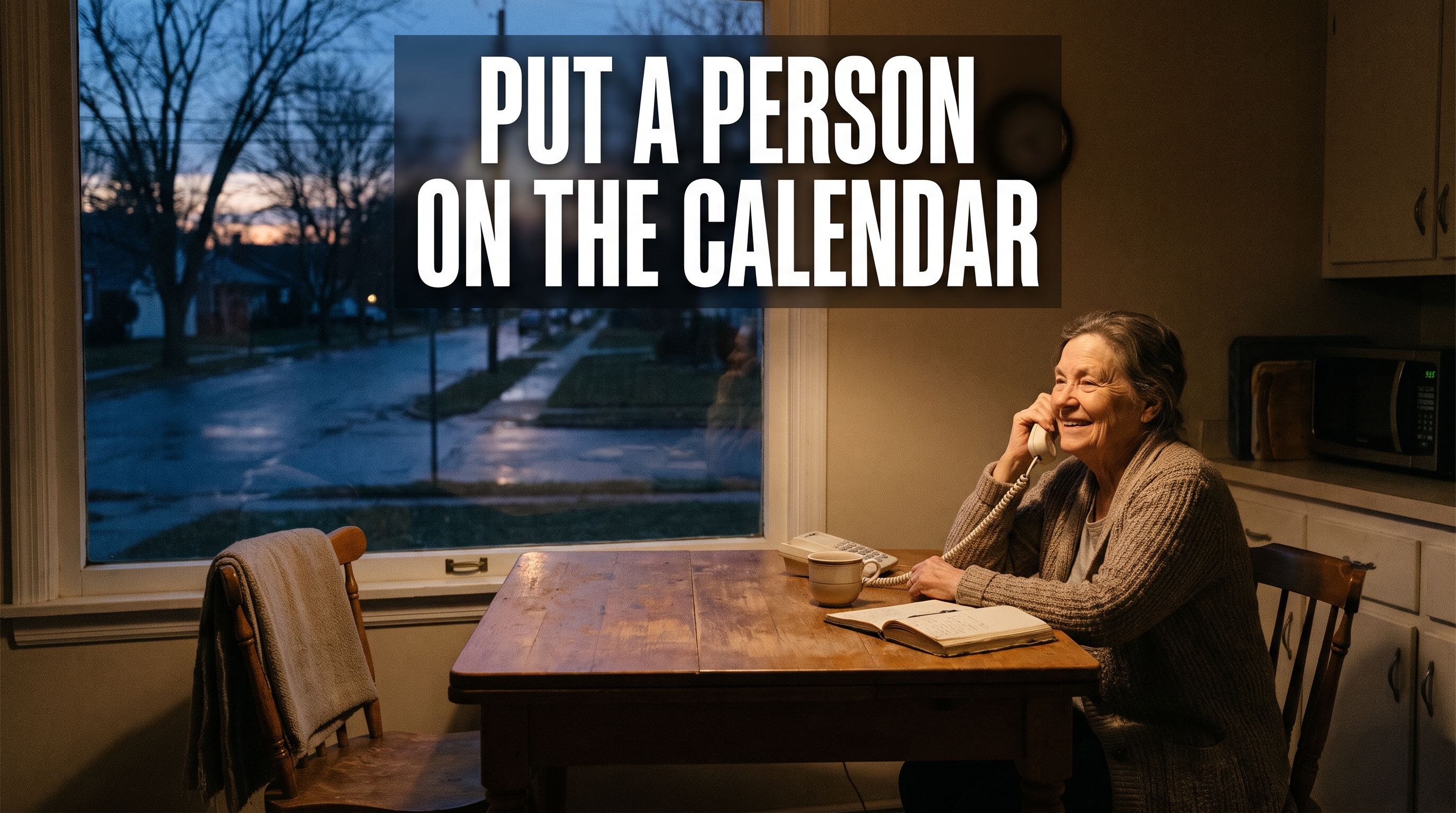
You mean to call. Then dinner needs attention. A message comes in.
Another evening slips past, and the person you wanted to hear from still has not heard from you. A good intention needs a place in the day.
SPONSORED · 4 FOOT FARM BLUEPRINT
What if your next small project ends up on your plate?
A pot of something you actually eat is a simple place to begin. The COMPLETE 4 Foot Farm Blueprint shows small-space and indoor growing options with pictures. Take a look at the Modern Victory Garden and choose a project you would enjoy tending.
| TAP Here for the COMPLETE Blueprint → |
Tonight’s Install
One useful change for the home you already have. Print the worksheet below and add it to your Household Resilience Network binder.
ACTION BRIEF
Time: 10 minutes
Do: Agree on one time to talk with one person.
Win: a name, a time, and a way to connect are on the calendar.
What’s happening now?
November is National Family Caregivers Month. The Alzheimer’s Association marked it on November 2 by recognizing how care changes a whole family’s life. Today’s small step is a social visit, not another chore to hand someone: set one short conversation that has room for the person, not just the task list.
Why did a meal program need a table?
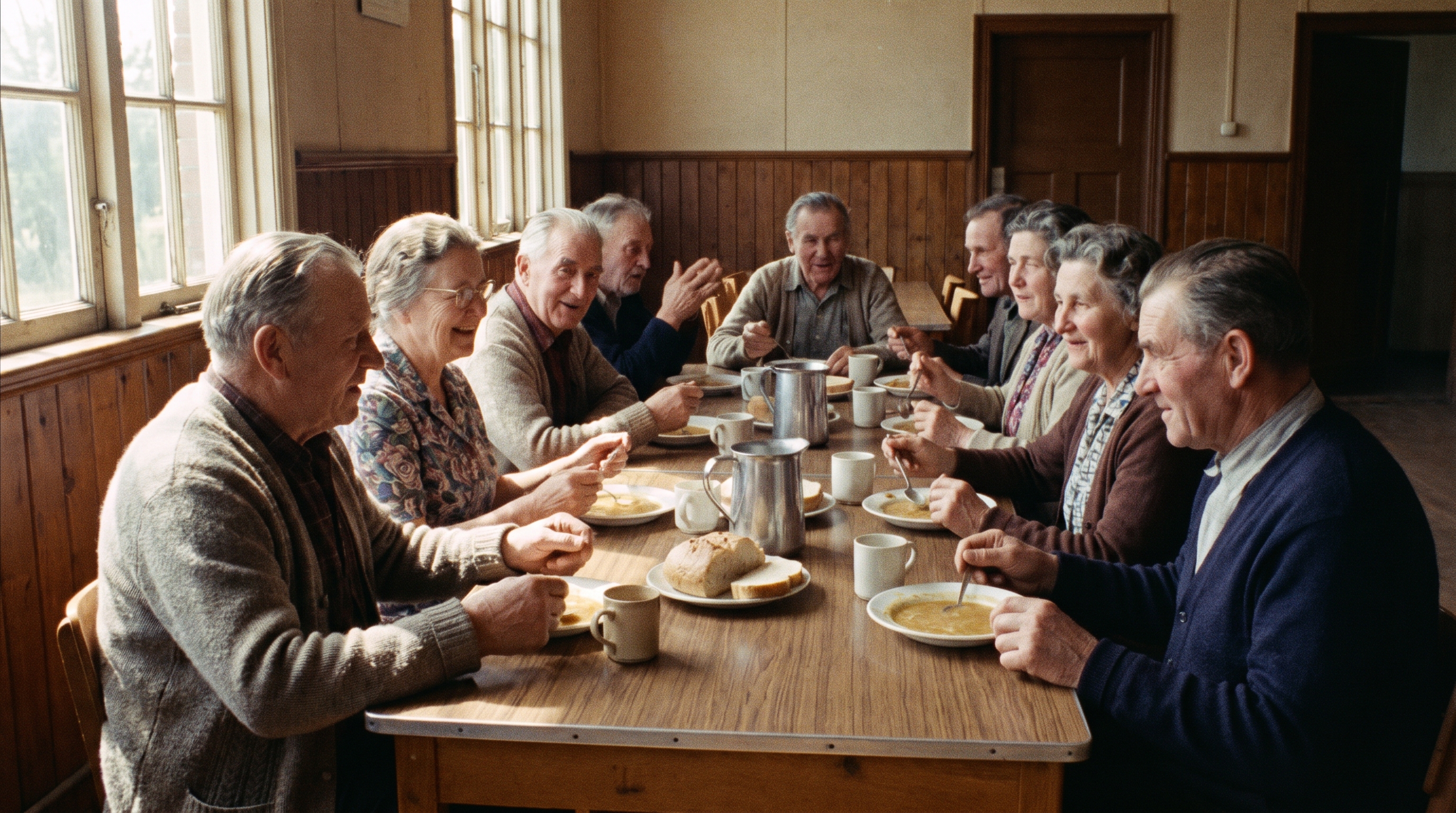
Illustrative historical reconstruction.
In March 1972, the United States added a national nutrition program for older people under the Older Americans Act. The basic need was plain: help people get food. But the program also made room for something a food package alone cannot provide.
People could eat together. A regular meal could bring them into contact with neighbors, staff, and volunteers. The Administration for Community Living still describes social connection as part of the program’s purpose, alongside nutrition.
That distinction matters. A cupboard can be full while a day is empty of conversation. A person can receive a useful delivery without having much chance to sit with someone and talk.
Food and company are related needs, but they are not the same need.
The program’s history does not prove that a single lunch cures loneliness. It does show that public services recognized a reason to create places and occasions for people to meet. The meeting did not have to wait for a birthday or a crisis.
For a busy household, that is the useful lesson. We often make appointments for repairs, rides, and medical visits. Friendly conversation is left to whatever time remains.
Then we wonder why it keeps slipping.
You do not have to organize a community meal tonight. Choose one person and ask whether a short call tomorrow would be welcome. Offer a real time, and let them suggest another.
The important change is that the contact now has a place. You have moved from hoping a conversation happens to making a small, shared plan for it.
What did an old Roman club put in writing?
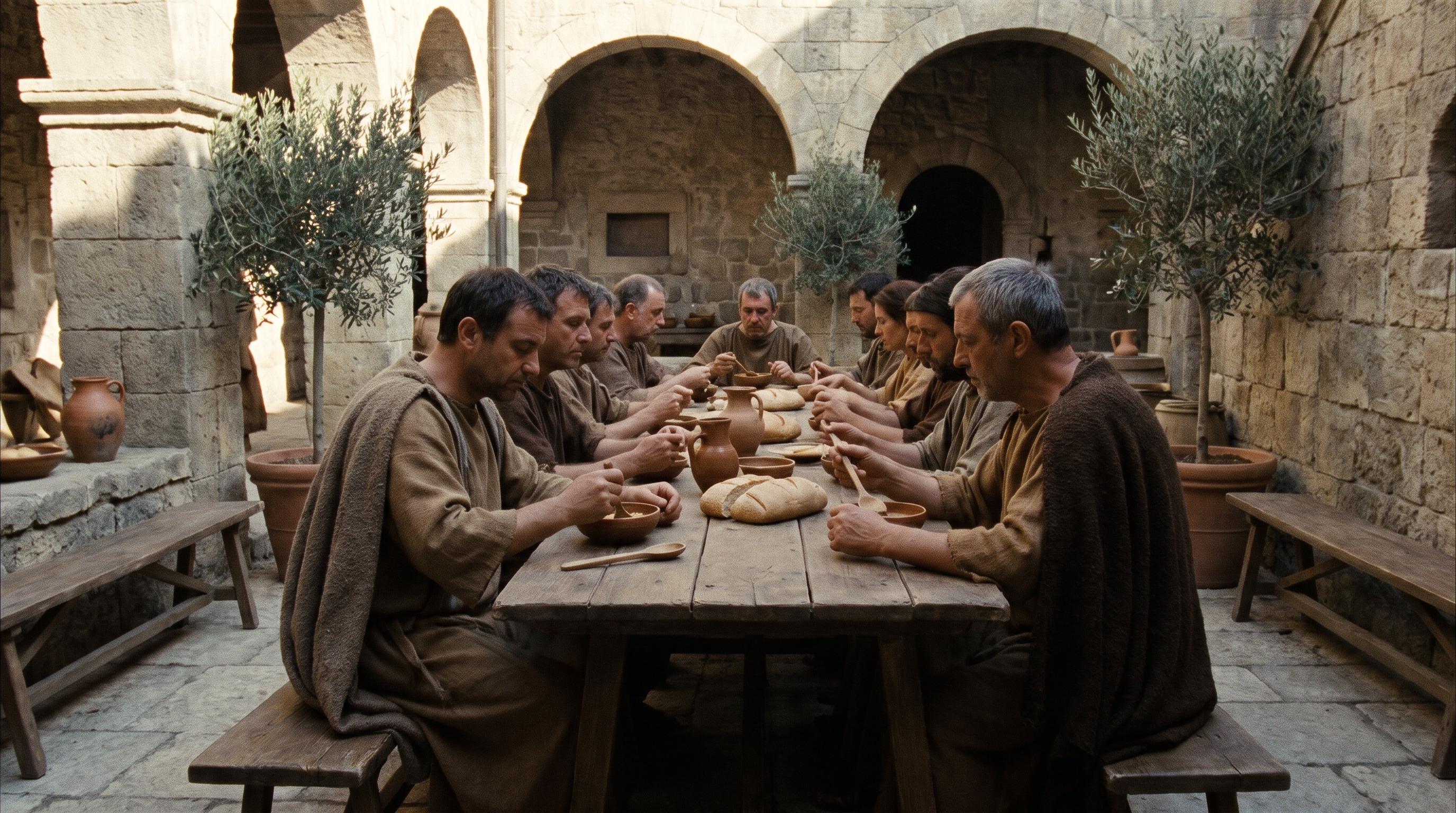
Illustrative historical reconstruction.
In the Roman town of Lanuvium, an association left its rules on an inscription dated AD 136. Its members honored Diana and Antinous. The rules dealt with dues, funerals, and meals.
It was a working organization, with responsibilities written down.
One striking detail is the dinner schedule. The surviving text provided for recurring shared meals on named occasions. People did not have to invent a reason to gather every time they wanted to see one another.
The calendar already supplied some of those reasons.
The association also had rules about who provided things and how members should behave. A gathering depended on practical arrangements. A day, a place, food, and someone responsible made it more than a warm idea.
This was a religious and social association in a very unequal society. We should not treat it as a modern health program, or assume every member experienced it the same way. The inscription cannot tell us how each person felt after a dinner.
What it does show is a lasting human problem: people need arrangements that bring them together. Shared interest may start a group. A repeatable occasion helps the group keep meeting.
That is a useful comparison for the friend you keep meaning to call. You do not need club dues or a feast. You need an agreed time that both people can find again.
Make the first conversation small enough to keep. Ask one open question, then listen. Before you end, decide whether another call would be welcome.
The ancient table is not a prescription. It is a reminder that company often needs a little structure before the day fills up around it.
SPONSORED · Meridian Health Protocol
An at-home routine without another bottle.
Another bottle on the shelf. You want a routine you can actually follow. This at-home method uses finger pressure on body points. Which spots come first?
| TAP Here to See the Body-Point Routine → |
THE PATTERN TO KEEP
Across BOTH examples, connection had a place and an occasion, rather than being left to spare time.
What can I do tonight?
Pick someone you want to hear from. Ask: “Would a ten-minute call tomorrow work? What time suits you?” Put the agreed time on both calendars.
Choose a quiet spot. During the call, ask about something beyond errands. If they decline, respect that and try another welcome way to connect.
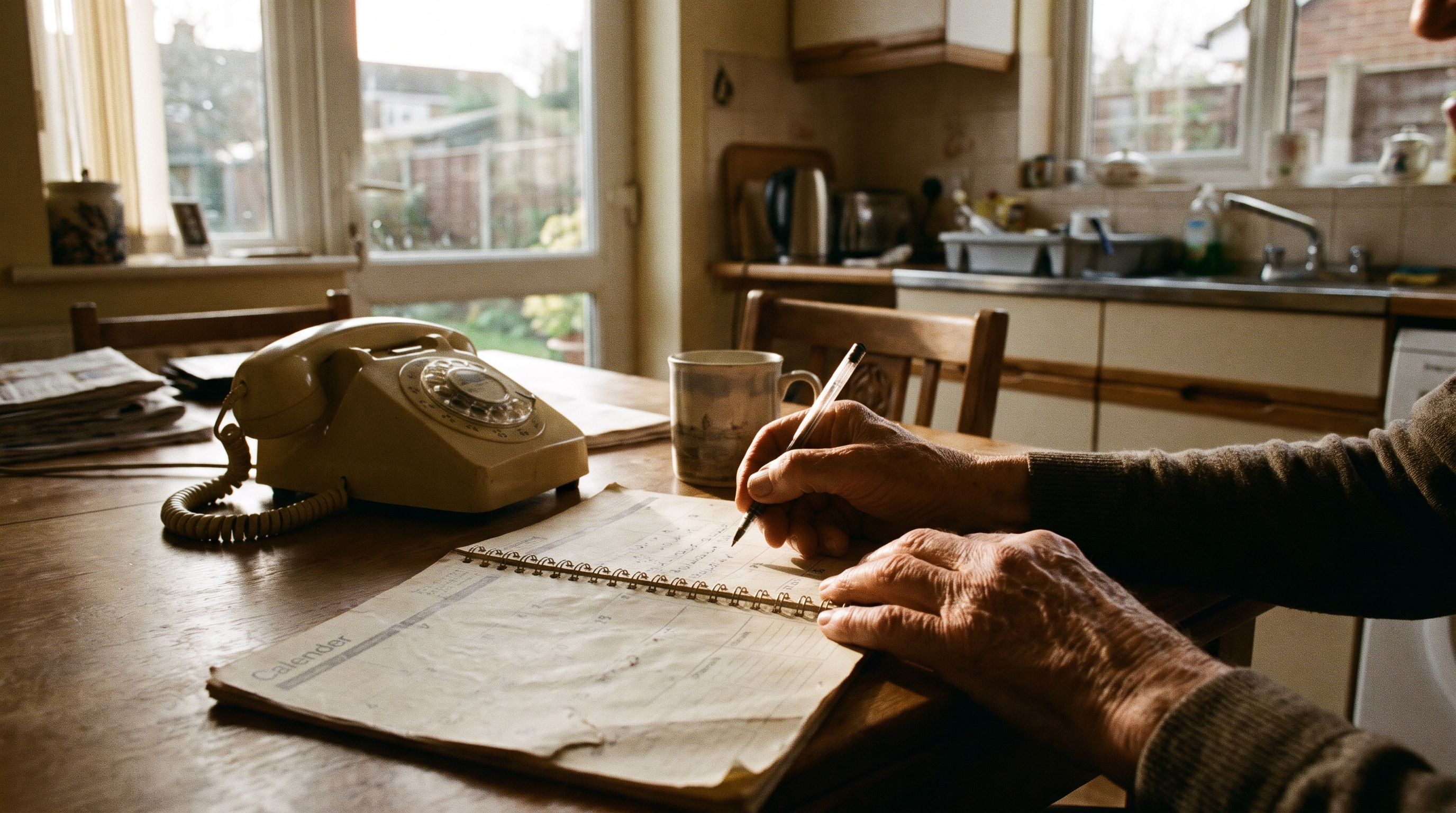
HOUSEHOLD RESILIENCE NETWORK · BINDER WORKSHEET
Put a Person on the Calendar
Date: __________________
Person I want to hear from
Agreed day and time
Phone, visit, or video?
One question beyond the chores
Status Check
Win: a name, a time, and a way to connect are on the calendar.
SPONSORED · 4Patriots
What could you keep running in a blackout?
Your phone is fading. The fridge has gone quiet. A rechargeable power station gives chosen devices another source of power. Could this one cover the essentials you would miss first?
The takeaway
Agree on one time to talk with one person. Keep the change small enough to finish, and leave a record you can check again.
Stay steady,
Nick Anderson
Seven Holistics
Small steps. A steadier day.
P.S. Who is the person you keep meaning to call? Reply with a first name or relationship. Send this to someone who would enjoy making a small connection plan.
One more useful read: Check the thermometer before the holiday meal →
P.P.S. · 4 FOOT FARM BLUEPRINT
Start with one food your household already eats. See the $7 Black Friday Blueprint offer →
November 2: Family Caregivers Month
NIA: staying connected
ACL: Older Americans Act history
ACL: connection and meals
Cambridge: Lanuvium association
Lanuvium inscription study
Images are illustrative reconstructions, not archival photographs.