
Your Daily Install connects what’s happening now with a useful pattern from the past—and one simple step you can take today to make your household more resilient.
Print the action worksheet below, fill it in, and add it to your Household Resilience Network binder.
What’s happening now?
The sentence comes out wrong. An arm will not stay up. Someone says to wait a minute and see if it passes.
That is the moment to call 911. Today, October 29, is World Stroke Day. This year’s campaign puts the focus on spotting symptoms and acting quickly. Sudden balance or vision changes matter, too—not just the signs people already know.
A short card on the fridge can put the right next step where everyone can see it.
Has this happened before?
In 1995, a major U.S. stroke trial changed what fast treatment could mean. Researchers studied tPA, a drug that dissolves certain blood clots.
The teams could not work on an ordinary appointment schedule. They had to assess patients quickly and find out when symptoms had begun. The clock mattered because brain tissue was losing its blood supply.
The trial showed benefit for selected patients treated early. FDA approval followed in 1996. Hospitals then had a stronger reason to build rapid stroke teams and faster assessment routes.
Getting help was not simply about reaching a building. The whole chain—from the first sign at home to the hospital team—needed to move.
What happened next?
Stroke care kept advancing, including clot-removal procedures for some patients. The right treatment depends on the stroke, timing and medical assessment.
A good treatment still needs a fast first call. At home, your job is to spot the sudden warning signs, call 911 and tell the dispatcher what you know. Let the medical team work out the type of stroke.
Brushed. Rinsed. Reaching for a mint?
You brushed before leaving. Now you are checking your breath again. What is different about a soft tablet you let melt in your mouth? See the oral-health approach behind ProDentim.
Tap Here to See What’s Different →What can I do?
Use 10 minutes to make and read the card below with someone at home. B: sudden balance trouble. E: sudden vision changes. F: face drooping. A: arm weakness. S: trouble speaking. T: time to call 911.
If any of these signs occur, call 911 immediately—even if they go away. Do not wait to finish a checklist. Note when the person was last known to be well and follow the dispatcher’s instructions.
Practise saying your address aloud today. Do not make a test call to 911. Keep this card for action, not for deciding that symptoms are harmless.
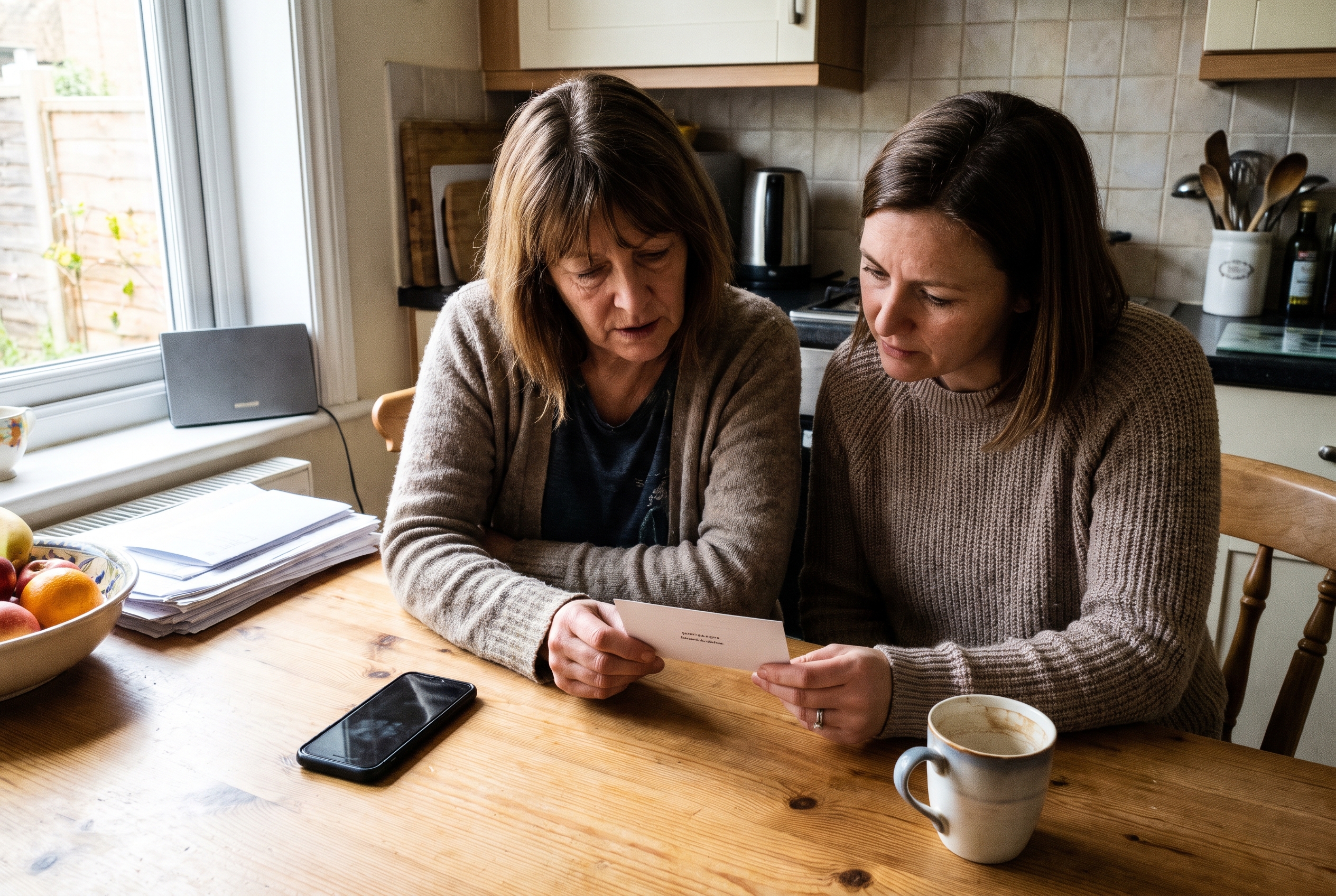
Illustrative household example. Use the worksheet for your own details.
My Stroke-Response Card
Date: __________ File under: Emergency Health
Sudden signs: B.E. F.A.S.T.
Balance • Eyes • Face • Arm • Speech
☐ Any sign: call 911 now—even if it stops.
Know the first words
Our street address:
Last known well: note the time when needed.
Card placed / reviewed with:
Today’s win: One visible card and one shared conversation about calling for help without delay.
Better food starts with one small spot.
You want better food on the plate. You do not want another big job on the calendar.
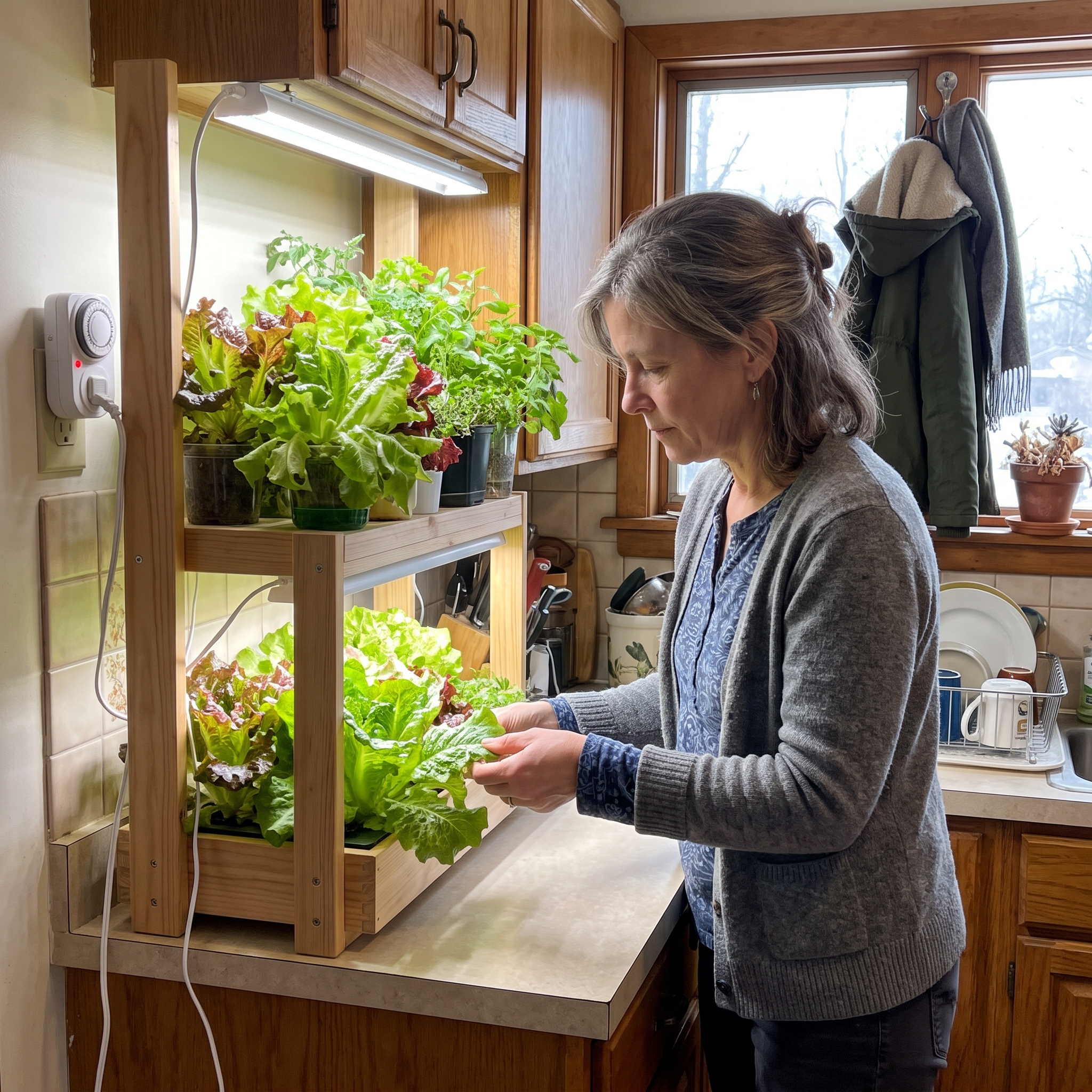
Grow a little of what you already enjoy eating. The COMPLETE Blueprint shows the steps in pictures, with indoor options when the weather turns. Begin with one useful food.
What could you pick for a meal instead of buying another bag? Take a look.
| Tap Here to See the COMPLETE Blueprint → |
Stay steady,
Nick Anderson
Seven Holistics
P.S. Who at home should read this card with you? Reply with a first name only if you wish. Forward this to one person who might spot the first sign.
P.P.S. Before another takeout order, see what you could make from the food already in your kitchen. The Household Playbook includes restaurant-style meals and ways to use more of the food you buy. Click Here to Look Inside the Household Playbook →