
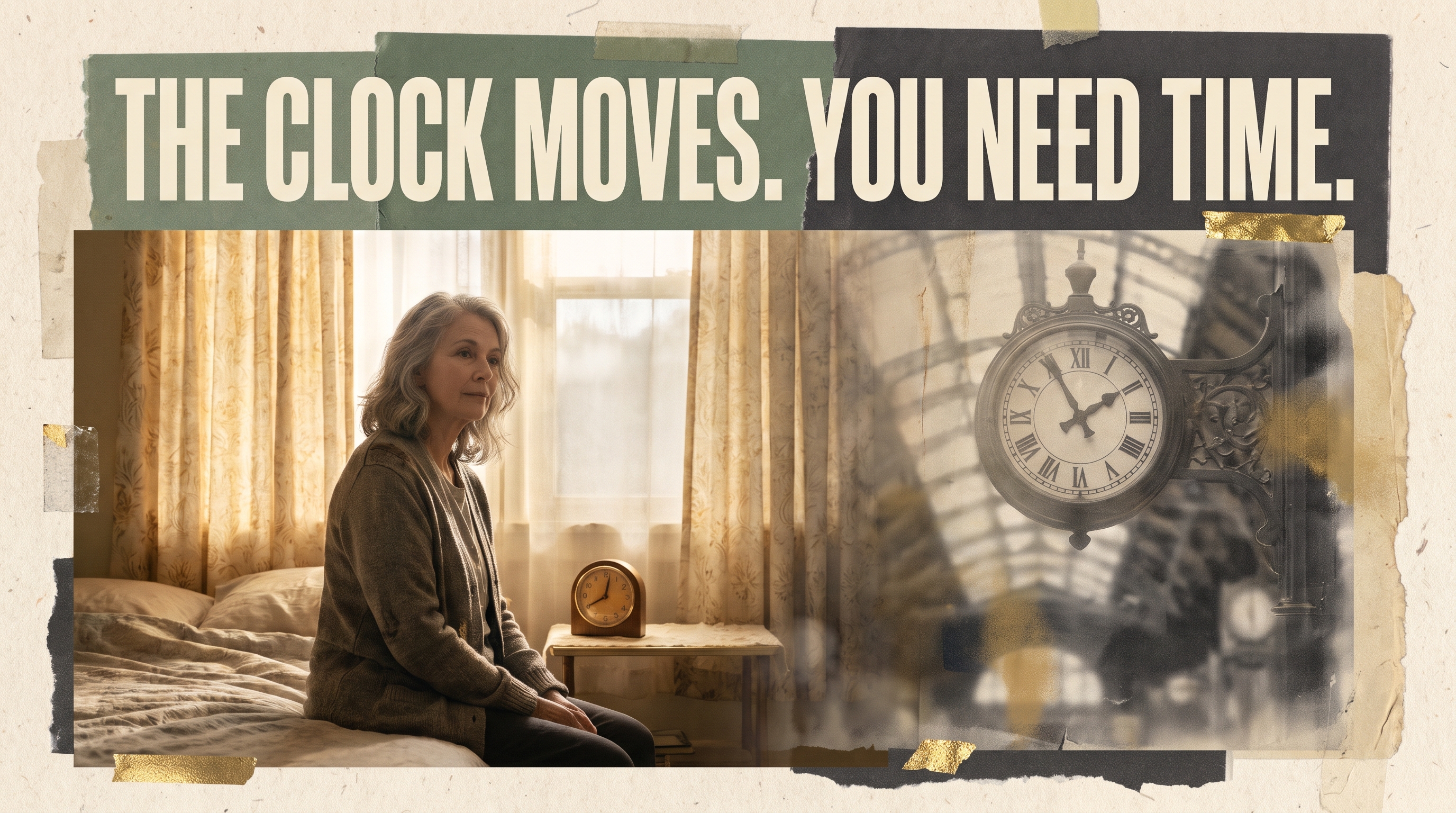
Your Daily Install connects what’s happening now with a useful pattern from the past—and one simple step you can take today to make your household more resilient.
Print the action worksheet below, fill it in, and add it to your Household Resilience Network binder.
What’s happening now?
The clock says you got an extra hour. Your body may have other plans.
Most of the U.S. moves clocks back one hour this Sunday, November 1. A child, a dog or your own early wake-up can make that promised lie-in disappear. Work and meal times still need to fit.
You do not need a whole new sleep plan. Give your mornings one steady starting point.
Has this happened before?
Before railroads used standard time, towns often set clocks by their own local time. A traveler could arrive at a station and find that its clock did not match the one back home.
On November 18, 1883, North American railroads adopted standard time zones. Shared clocks made train schedules easier to follow. People could plan around the same time instead of doing a new bit of math at each stop.
What happened next?
A common schedule helped a complicated system work together. It did not make every person’s daily habits change on command.
The pattern: when the clock changes, keep a useful routine easy to follow. Your body is not a train timetable. Regular sleep and morning daylight can help give it steady cues.
You brush. Why does your mouth still feel off?
Another rinse. Another mint. Why does this daily oral-support tablet use plants and minerals? Take a closer look at what is in it.
Tap Here to Read the Oral-Support Approach →What can I do?
Spend 10 minutes choosing a wake-up time that fits your life and leaves room for enough sleep. Write down one simple morning cue: open the curtains, or step outside for daylight when safe.
Choose a quiet activity before bed and put its start time beside the morning plan. Keep the routine realistic rather than chasing a perfect night.
Do not change medicine times on your own to fit the clock change. Ask your pharmacist if timing matters for a medicine you take.
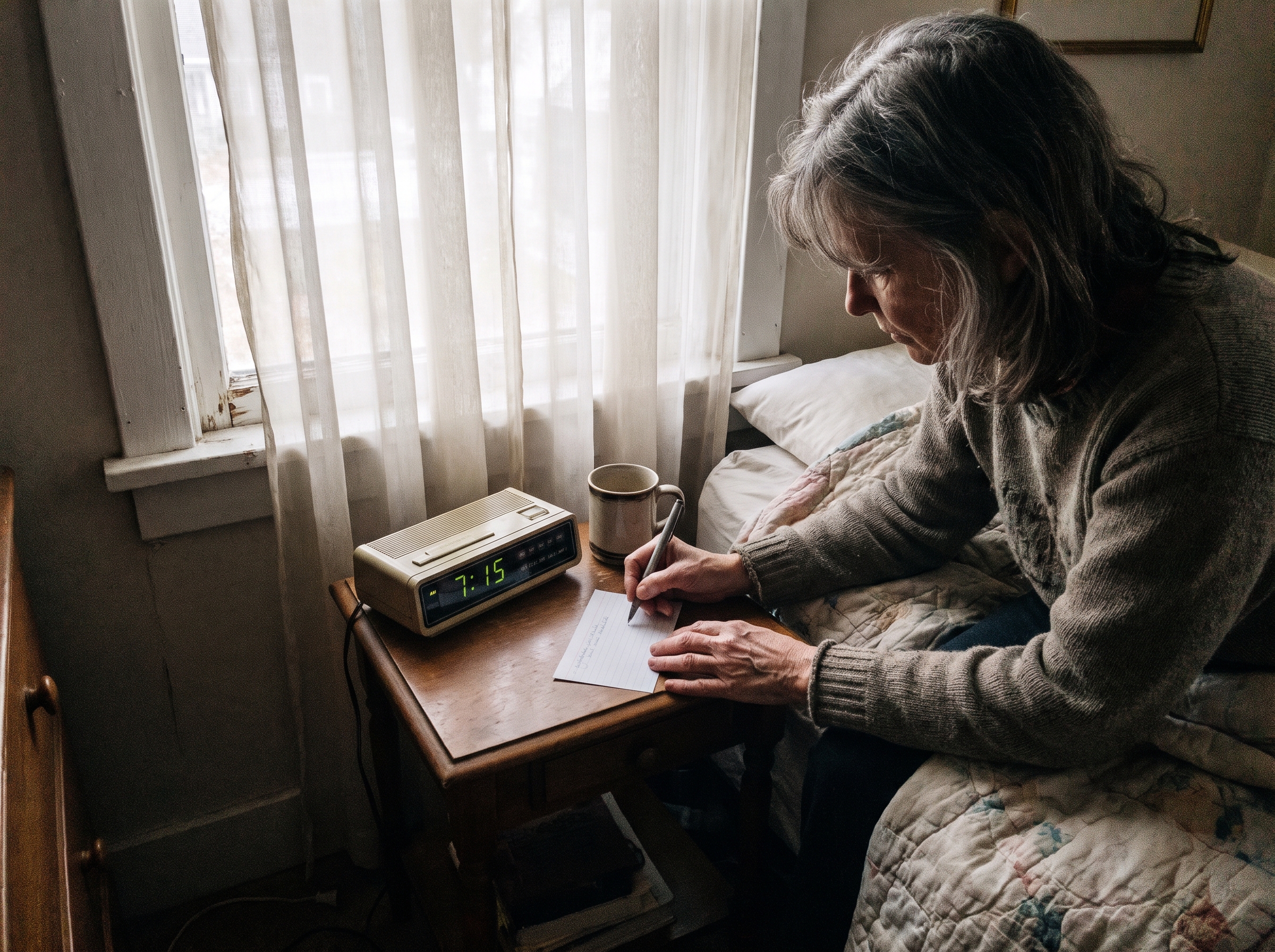
Illustrative household example. Use the worksheet for your own details.
My clock-change routine
Date: __________ File under: Daily health
1. A steady start
My planned wake-up time:
Morning daylight plan:
2. Make bedtime easier
My quiet wind-down activity:
I will start it at:
One thing to put away before bed:
3. One question, if needed
Medicine-timing question for pharmacist:
Check how the routine feels on:
Today’s win: A morning cue and an evening start time are chosen before Sunday.
One more bathroom stop. Then you can leave.
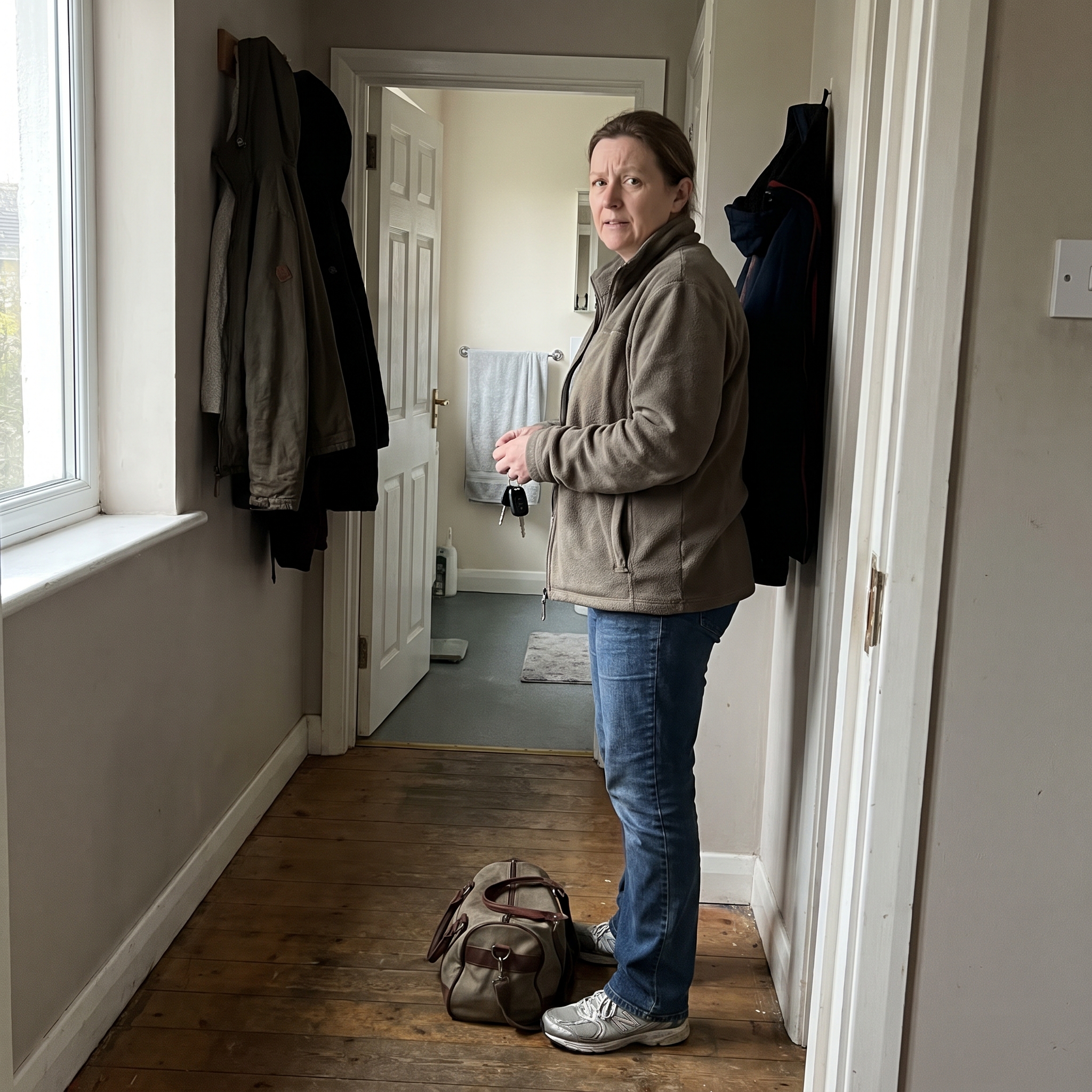
Coat on. Keys ready. Back to the bathroom. You would like one outing that does not start this way.
Why does this bladder-support video open with a seven-second idea? Follow the connection to the daily blend behind FemiCore.
Tap below. Start with the opening while the question is fresh.
| Tap Here to Watch the Bladder-Support Story → |
Stay steady,
Nick Anderson
Seven Holistics
P.S. What usually wakes you first—the alarm, a pet or your own body? Reply with one. Pass this along to someone who dreads the clock change.
P.P.S. Want fresher food without another big project? Our friends at 4 Foot Farm show you how to start small at home—even indoors with a simple light. Tap Here to See the COMPLETE Blueprint →