
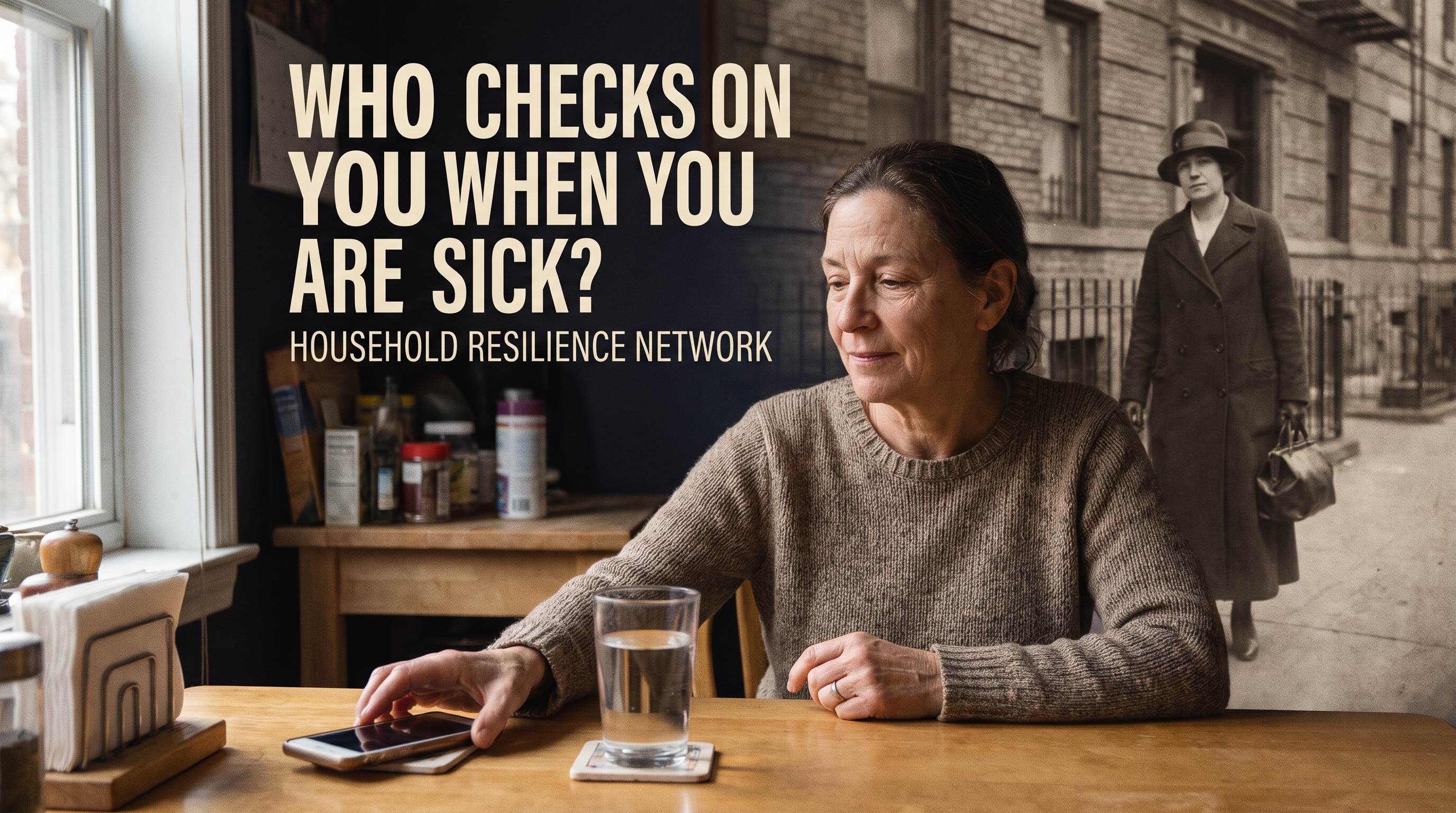
Your Daily Install connects what’s happening now with a useful pattern from the past—and one simple step you can take today to make your household more resilient.
Print the action worksheet below, fill it in, and add it to your Household Resilience Network binder.
What’s happening now?
CDC’s October 23 flu report says activity is increasing in many parts of the country, though it remains low nationally. The figures are preliminary.
That is a reason to prepare calmly, not cancel your life. Think about an ordinary sick day: you need rest, but the dog still needs food and there is nothing easy for dinner.
The missing supply may be a person who knows you need help. A short call now can settle who will check in or drop something at the door.
Has this happened before?
In October 1918, nurse Lillian Wald faced a city full of sick households. She led New York’s Nurses’ Emergency Council, bringing nursing groups together to help get care into homes.
In her later account, she described a family of seven in upper Harlem who had gone without care until a visiting nurse answered their call.
The need went beyond a bed in a hospital. Nurses needed transport. Families needed food. Volunteers and relief groups helped connect those jobs so care could reach the door.
What happened next?
The council recruited nurses, organized home visits and linked people to care. A family that had been waiting alone could finally get help from someone who knew it was there.
That did not make the epidemic harmless. It made the response more useful: needs were named, people had jobs, and help had a route into the home.
The pattern: “someone will help” works better when someone has agreed to a specific job.
Today’s flu report is not a forecast of 1918. Borrow the smaller lesson: while you feel well, agree who checks in and what help each person can give.
Walked into a room—and forgot why?
You stop in the doorway. You came in for something. Now the thought is gone.
You try to laugh it off. Still, you want to know more.
The first clue in this memory video is an everyday kitchen habit. Tap below to see which one.
What can I do?
Call or text one trusted person today. Ask: “If one of us is sick, could we check in and help with a grocery drop-off?” Agree how to contact each other and what to do if there is no reply.
Write down the actual agreement. Save your clinic’s number, too. A friend can help with meals or errands; illness that needs medical care needs a clinician.
If you develop flu symptoms and are at higher risk of complications, contact your clinician promptly. If helping someone who is sick, reduce close contact; a door drop-off can still be a big help.
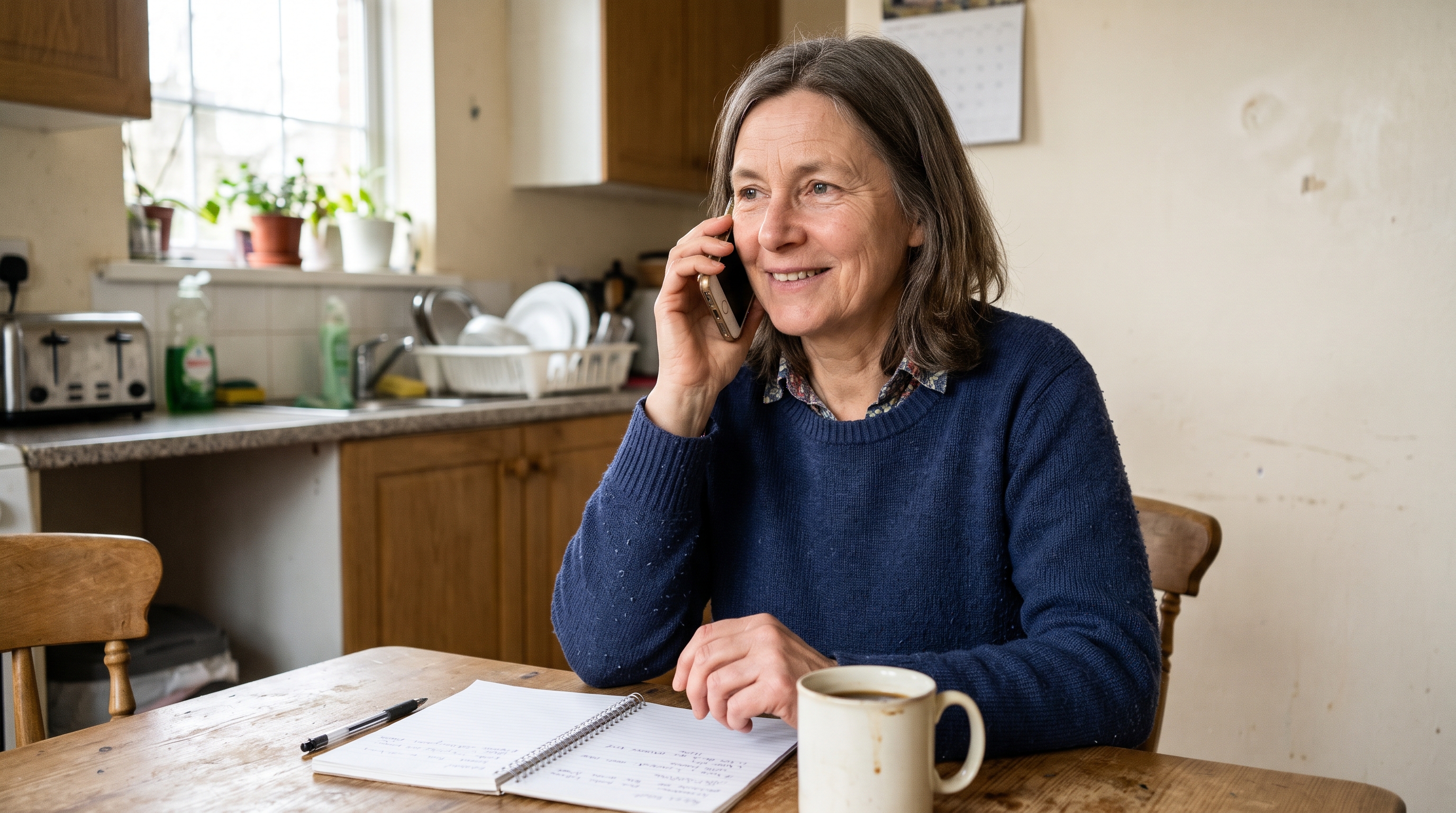
Illustrative check-in call. Agree on practical help before either of you needs it.
My Sick-Day Helper Plan
Print, fill in and file under People & Health. Make one call. Agree who checks in and what help is realistic.
1. Reach a real person
Trusted person / phone:
☐ Call made ☐ Message sent ☐ Agreement made
I can help them with:
2. Agree on the small jobs
Check-in method / time:
Help they can offer:
☐ Food drop-off ☐ Errand ☐ Other: ______
If I cannot reply, our agreed next step: ________
3. Keep medical help within reach
Clinic / phone:
After-hours contact:
Practical question still to settle: _____________
4. Keep the plan useful
Where I saved the details: _________________
Next check together:
Who else may need a check-in? ____________
Keep this private. A helper is not a substitute for medical care. For severe symptoms or an emergency, get medical help right away.
Today’s win: one person contacted, one small job agreed and the clinic number saved. A sick day has one less loose end.
Better food should not mean another big bill.
You want something fresh on your plate. Not another expensive little package that wilts before you use it.
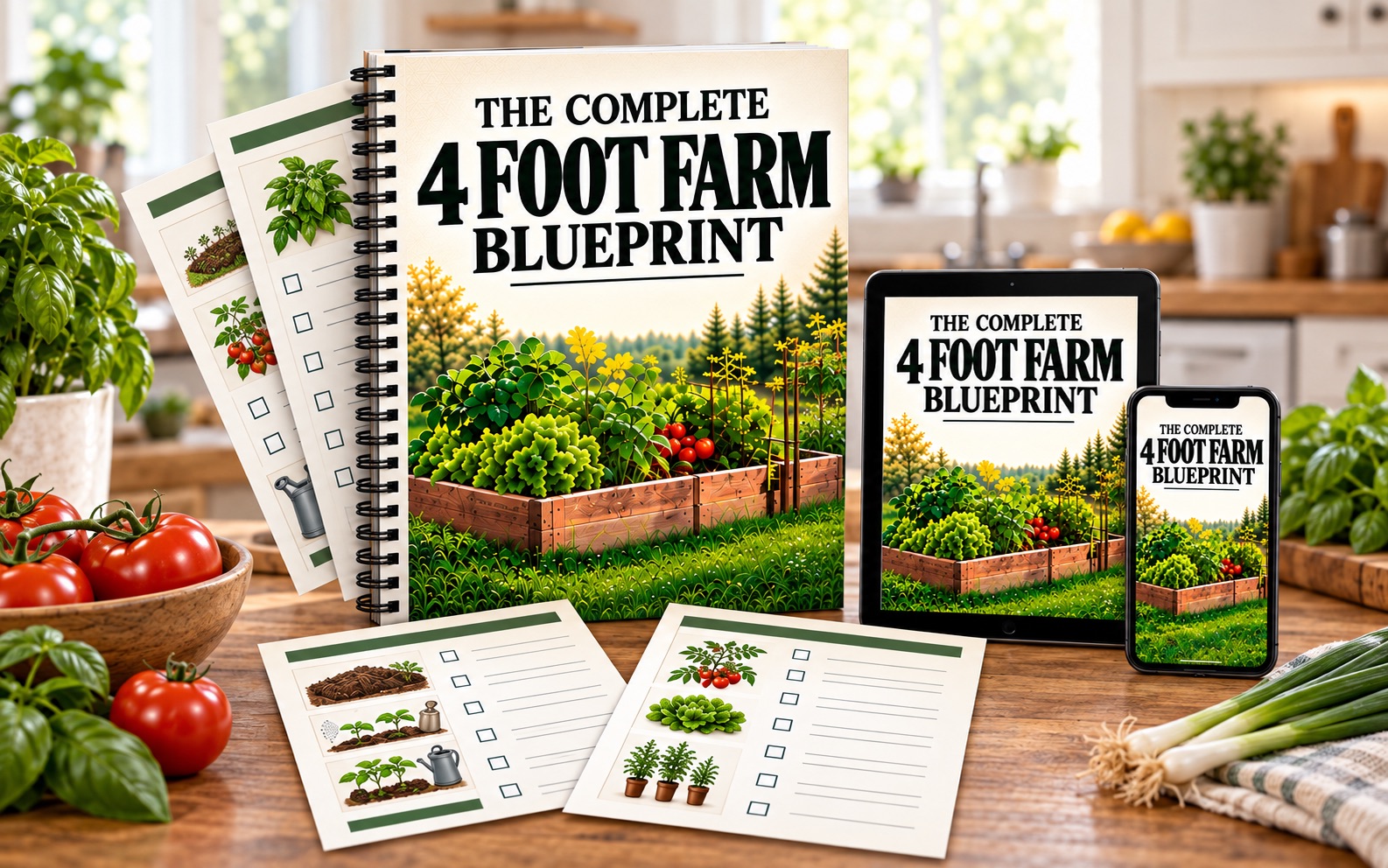
Imagine picking a few leaves or herbs as you make dinner. Our friends at 4 Foot Farm show you where to begin in the COMPLETE Blueprint. One food you enjoy. A small spot at home. Clear pictures and indoor options with a simple grow light.
See how to make your first small start.
| Tap Here to See the COMPLETE Blueprint → |
Stay steady,
Nick Anderson
Seven Holistics
P.S. Who could use this small agreement with you? Make the call, then hit reply with “plan made”—no private health details. Forward this to someone who lives alone.